
The AI Readiness Report is a structured 4-week process designed to identify key opportunities for AI adoption within your organization. Through a comprehensive assessment, we evaluate workflows, data infrastructure, and operational challenges to uncover areas where AI can drive efficiency, reduce costs, and enhance decision-making.

1. Data Analysis & Insights: Evaluate data quality, accessibility, and usability for AI, identify gaps in sources/formats, and use quantitative insights to support strategic decisions.
2. Understand Pain Points & Challenges: Engage stakeholders, conduct interviews and surveys, identify key issues, and explore AI opportunities to streamline workflows and add value.
3. Document Process Gaps: Identify process gaps by mapping workflows, pinpointing inefficiencies, and highlighting automation opportunities for AI optimization.
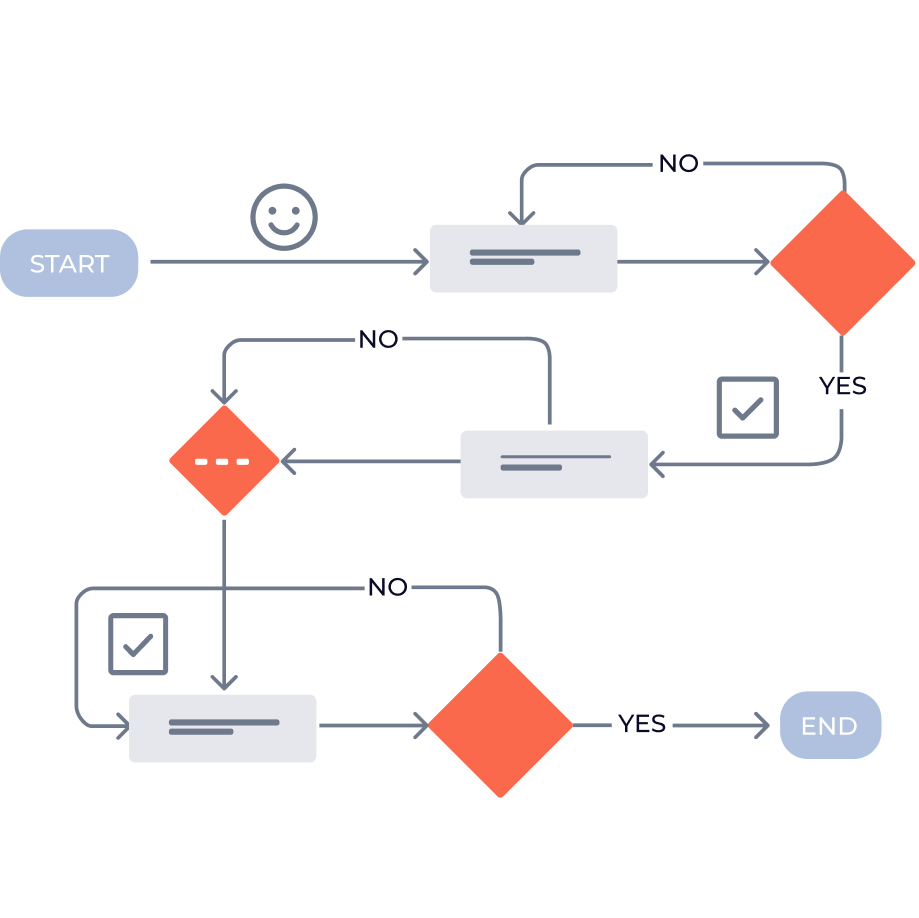
1. Review Department Workflows: Analyze processes across departments to map data, tasks, and responsibilities for a comprehensive view of operations.
2. Identify Bottlenecks & Improvements: Examine workflows to identify delays, redundancies, and inefficiencies, focusing on areas where AI can automate tasks or optimize resources.
3. Visualize Processes & AI Opportunities: Create visual process flows to map operations, highlight key decision points, and identify areas for AI-driven automation and efficiency improvements.
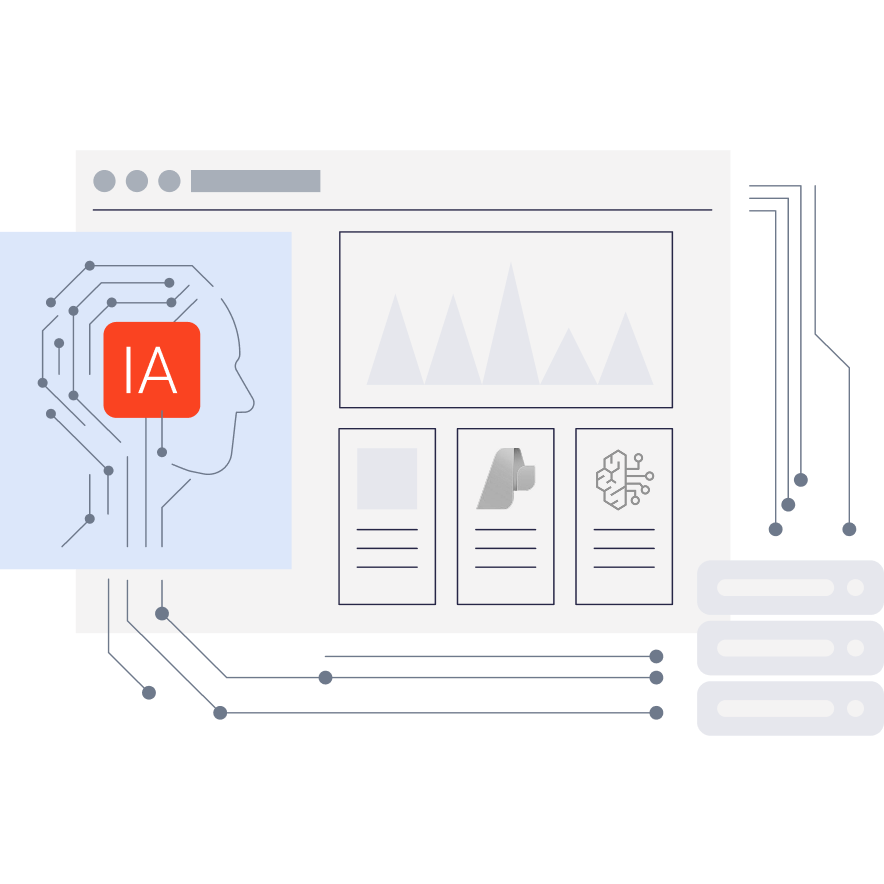
1. Explore AI Solution Options: Analyze AI solutions and vendors, assess their effectiveness, perform a cost-benefit analysis, and explore custom applications for specific needs.
2. Validate Integration and Scalability: Engage stakeholders, conduct interviews and surveys, identify key issues, and explore AI opportunities to streamline workflows and add value.

1. Summarize Key Findings: Highlight AI readiness, key pain points, and areas where AI can drive immediate business value.
2. Present Prioritized AI Use Cases: Rank AI opportunities by impact and feasibility, focusing on ROI, efficiency, and alignment with business goals.
3. Define a Roadmap for AI Adoption: Create a timeline with milestones, resources, roles, and actionable steps from proof-of-concept to deployment.
4. Outline Potential Risks and Mitigation Strategies: Identify challenges like integration and scalability, and propose proactive mitigation and monitoring plans.
Ans: It is a focused 4-week plan to evaluate your data, workflows, and operational gaps in order to pinpoint high-value opportunities for intelligent automation. The assessment surfaces where AI can boost efficiency, reduce costs, and strengthen decision-making, and it proposes practical pilots and ways to leverage AI services. Final outputs include a custom report with prioritized AI use cases, an adoption roadmap from proof-of-concept to deployment, and risk mitigation strategies.
Ans: Weeks 1–2 center on discovery and process evaluation: we analyze data quality, accessibility, and utility; engage stakeholders via interviews and surveys; map workflows; and identify process gaps, bottlenecks, and automation opportunities (including potential pilots). Week 3 identifies and aligns solutions by exploring vendor and custom AI options, performing cost–benefit analyses, and validating integration, security/compliance, and scalability with your existing tools. Week 4 delivers a custom report summarizing findings, presenting prioritized use cases, defining an adoption roadmap, and outlining risks with mitigation plans.
Ans: We’ll ask for stakeholder participation in interviews and surveys, access to process information and departmental workflows, and sufficient visibility into relevant data sources to assess quality and accessibility. Collaboration with owners of key systems helps us validate integration, security, and scalability considerations. This participation enables accurate process mapping, bottleneck analysis, and alignment on feasible AI pilots and solutions.
Ans: Use cases are ranked by business impact and ease of implementation, with emphasis on ROI, efficiency gains, and alignment with your strategic goals. The adoption roadmap lays out a phased timeline from proof-of-concept to deployment, including milestones, required resources and roles, and clear, actionable steps for moving from pilot to scaled implementation.
Ans: In Week 3, we validate that proposed solutions can integrate with your current tools while meeting security and compliance requirements and scaling with your teams. In Week 4, the report details potential risks such as integration and scalability challenges and provides proactive mitigation strategies and monitoring plans to reduce implementation risk and support sustainable adoption.