The Challenge
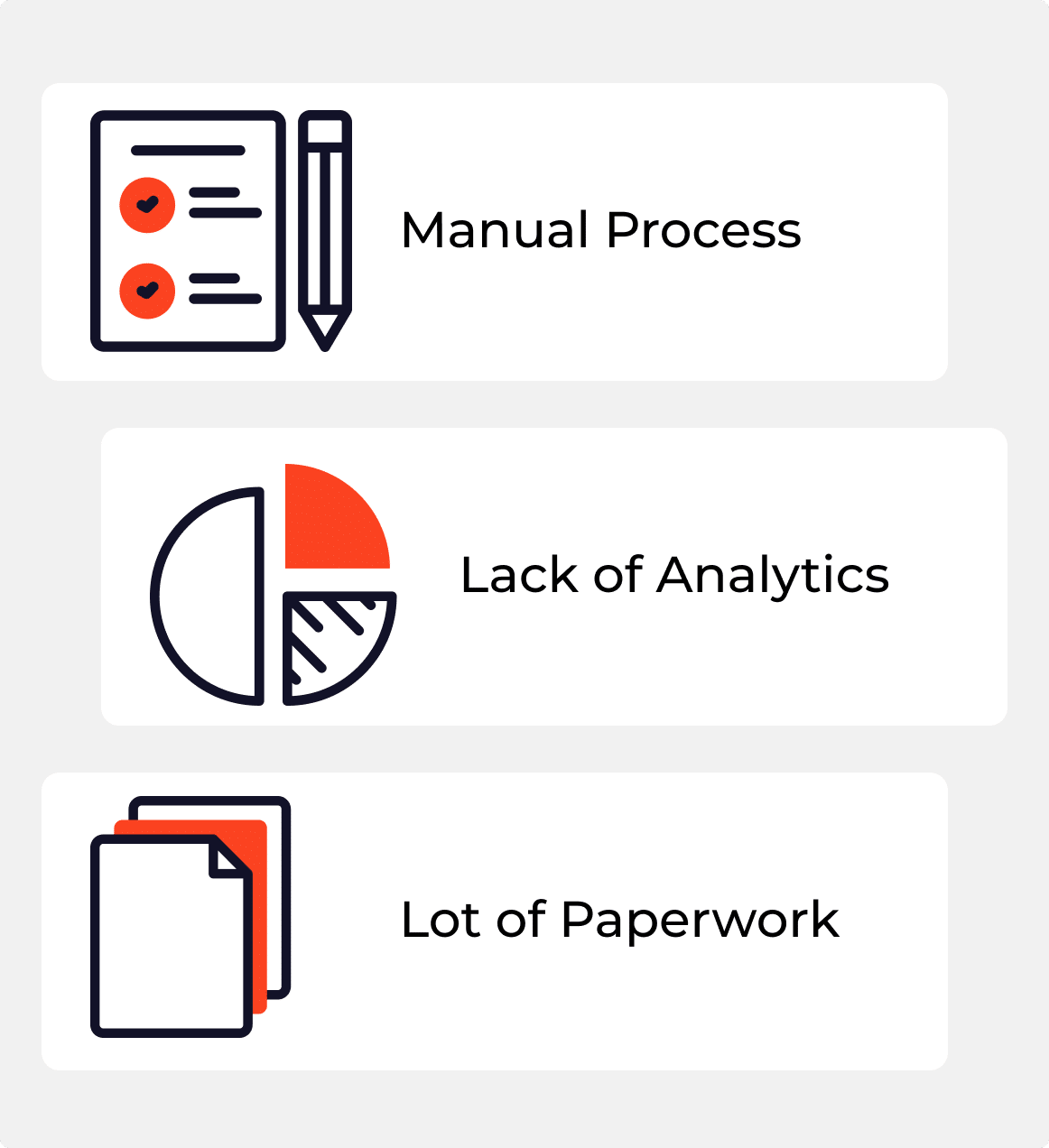
Community Centres stand as vital pillars in Toronto’s societal fabric, pivotal in fostering a community where every individual is afforded equal opportunities for health and success. Despite their provision of subsidized services and facilities to the masses, these centers are burdened by antiquated ‘forms and files’ based data infrastructure, which proves cumbersome and offers minimal scope for enhancement.
Staff members at Community Centres in Toronto find themselves mired in paperwork, diverting their focus from addressing larger societal issues that align with their mission of enhancing Toronto’s welfare. There arises a pressing need for the overhaul of their entire system and processes, aimed at enhancing the experience of both staff and the vibrant community they serve. Transitioning to an online database presents a viable solution, requiring adept UI UX design & Development for Government to ensure seamless interaction and efficient service delivery.
Our Approach
Surveys
Surveys gather insights from diverse individuals in the City of Toronto project, utilizing closed and open-ended questions. Our multi-platform distribution ensures representation across demographics, enhancing our understanding of community needs.
User Interviews
User interviews delve deep into community members’ experiences, motivations, and challenges related to the center. By fostering rapport and employing empathetic listening, we uncover valuable insights into users’ emotions and needs.
Focus Groups
Focus groups facilitate collective discussions, observing intergroup dynamics and uncovering shared experiences. Segmented by demographics, these sessions foster collaborative solutions and equitable participation.
Insights Integration
Integration of survey, interview, and focus group findings provides a holistic understanding of community perspectives. Synthesizing diverse data sources identifies common themes, informing tailored strategies to address community needs.


The Outcome
Data-driven Insights
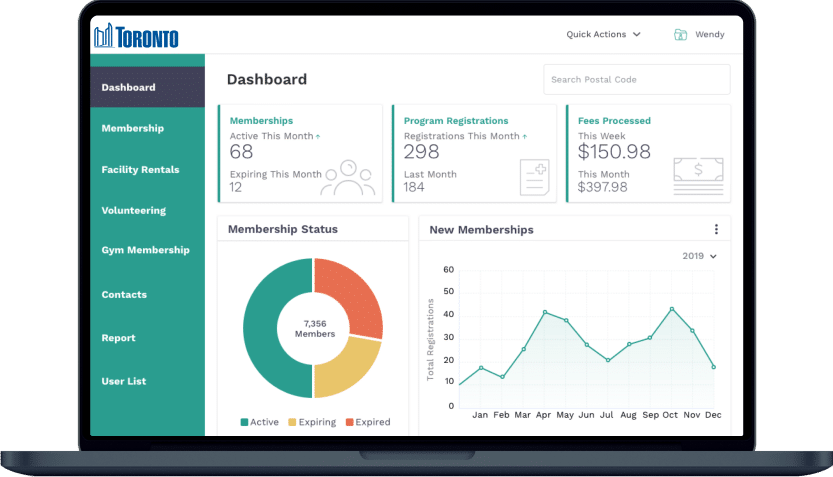
Through surveys, interviews, and focus groups, data was analyzed systematically using tools like affinity mapping. Extracted insights informed the design and development of the City of Toronto’s SCCC Portal
Iterative and Inclusive User Research Approach
Our user research process is iterative and inclusive, ensuring all voices are heard. By integrating various methodologies, we gain a holistic understanding of users, guiding the creation of user-centric products.
Commitment to User Advocacy
Advocating for the user is central to our approach. Thorough user research ensures our products meet diverse needs, fostering inclusivity, as seen in the City of Toronto’s Scadding Court Community Center project.
Thoroughness and Attention to Detail
Our approach prioritizes thoroughness and attention to detail. Meticulous user research ensures a deep understanding of user needs, exemplified in the comprehensive approach taken in the City of Toronto’s Scadding Court Community Center project.