In 2026, web development services sit at the heart of how organizations operate, communicate, and deliver value. A website is no longer just a digital brochure or marketing asset—it is often a mission-critical platform that supports service delivery, customer engagement, data integration, and internal operations.
For organizations in healthcare, government, financial services, and large enterprises, web platforms must meet increasingly high standards for usability, accessibility, security, and performance. As a result, web development services have evolved from basic site builds into sophisticated, long-term digital partnerships focused on scalability, resilience, and measurable impact.
Web development services encompass the end-to-end process of planning, designing, building, launching, and maintaining websites and web-based platforms. These services range from content-driven marketing websites to complex, integrated platforms that power digital services, portals, and internal tools
Modern web development services typically include:
Effective web development services ensure that websites are not only visually polished, but also reliable, scalable, and easy for internal teams to manage and evolve over time.
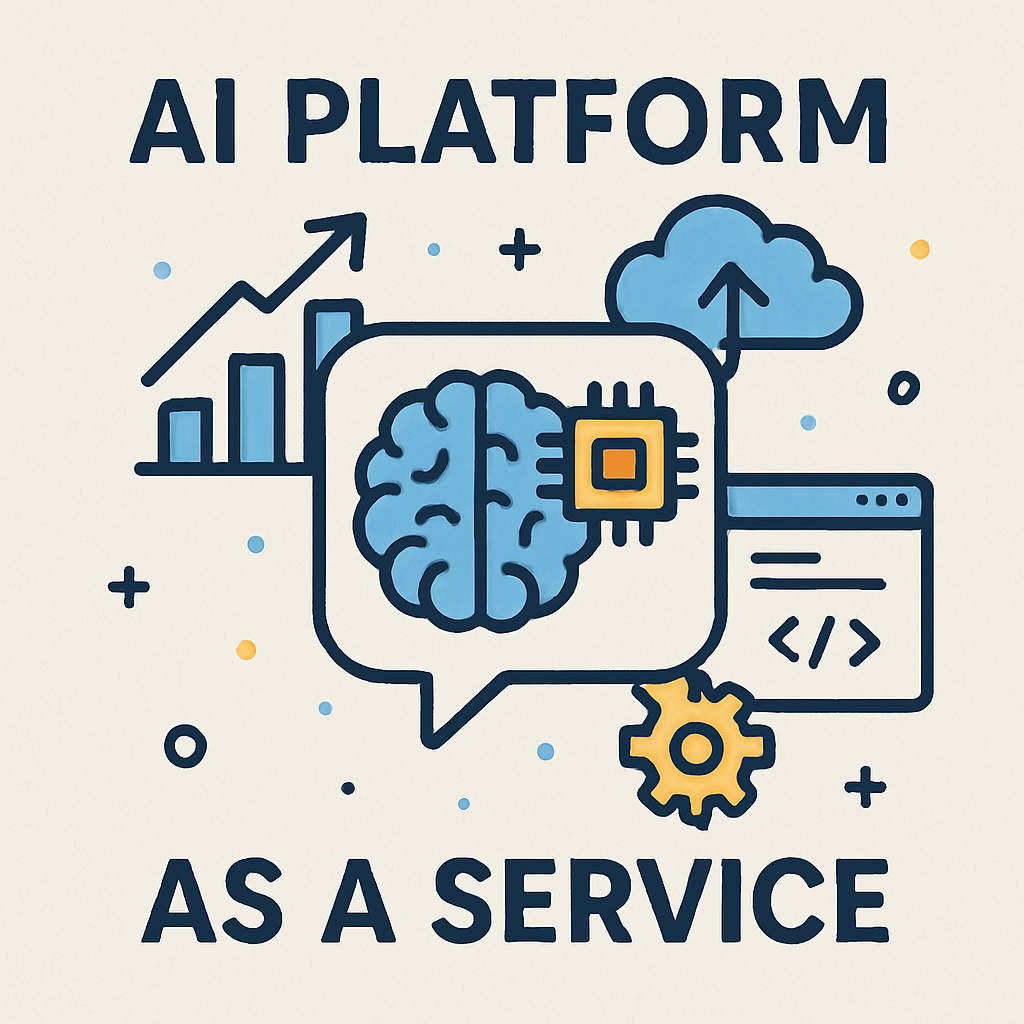
AI Platform as a Service seamlessly integrates with AI cloud computing, enhancing its capabilities. It leverages cloud resources to deliver AI functionalities without the need for physical infrastructure. This synergy allows businesses to scale their AI efforts efficiently.
Integration within AI cloud computing allows for a streamlined flow of data. Businesses can incorporate AI into existing applications, enriching them with machine learning capabilities. This compatibility promotes ease of use and innovation.
Integration Benefits:
In this ecosystem, organizations benefit from reduced complexity. AI PaaS enables quicker deployment of AI solutions, leading to faster time-to-market. As AI capabilities continue to expand, this integration remains pivotal.
AI Platforms as a Service come equipped with diverse features aimed at simplifying AI development. They provide pre-built models and APIs, which enhance efficiency. These tools expedite project timelines significantly, reducing the usual hurdles in AI deployment.
Customization is a core strength of AI PaaS. Businesses can tailor solutions to meet their unique needs, creating specific applications for different industries. This adaptability ensures relevance in various business contexts.
Notable Features:
User-friendly interfaces are a hallmark of these platforms. Drag-and-drop functionalities make them accessible even to non-experts. This lowers the entry barrier, democratizing AI technology across organizations.
AI PaaS continuously evolves, with providers updating features and tools. This keeps businesses at the forefront of technological advancements.
Adopting AI Platforms as a Service offers numerous benefits. Scalability is a major advantage, allowing businesses to grow without needing expensive hardware. This flexibility translates into significant cost savings.
AI PaaS democratizes advanced AI technology, enabling smaller enterprises to compete with larger firms. The user-friendly nature of these platforms supports more staff involvement. With simple interfaces, even non-technical team members can contribute.
Key Benefits:
Moreover, these platforms drive innovation by facilitating quick experimentation. This empowers businesses to explore new ideas and opportunities, leading to improved outcomes.
AI Platform as a Service finds varied applications across industries. From natural language processing to computer vision, its versatility is unmatched. Businesses harness these platforms to enhance operations and customer interactions.
Machine learning models available on AI PaaS help firms with predictive analytics. This supports informed decision-making, optimizing both products and services. Many companies incorporate these models for real-time data analysis.
Typical Applications:
In retail, AI PaaS helps in personalizing customer experiences. Meanwhile, healthcare utilizes it for better patient data management. The broad range of applications demonstrates the platform’s growing importance in today’s digital world.
Considerations: Security, Compliance, and Integration
When adopting AI platforms as a service, security and compliance are vital. Protecting data against breaches is a top priority. Businesses must ensure that their chosen platform meets industry standards.
Integrating with current systems is important too. The platform should seamlessly connect with other services your business uses. This ensures smooth data flow and functionality.
Key Considerations:
Thoughtful assessment of these factors helps mitigate risks. This foundation is essential for a successful AI platform implementation.
Embarking on your AI journey begins with choosing the right platform. Evaluate your business needs to find suitable AI PaaS offerings. Each platform offers distinct features and tools tailored for various applications.
Start with a small-scale project to test the platform’s capabilities. This helps in understanding its strengths and limitations. As your confidence grows, scale up gradually.
Steps to Begin:
Taking these steps paves the way for successful integration and utilization of AI platforms.
Suggested Reads
Trending Resources