Every sector, around the world today is undergoing massive changes due to rapid technological advancements- be it health care, education, construction, manufacturing, or government industries. This is constantly changing how people interact with products and services, how they get and submit information, and overall, how they live their day-to-day lives. In this blog, we will talk about how these digital innovations are improving the lives of citizens and government officials. And what does the future of the public service sector look like?
Recently, the team at Idea Theorem attended the Public Sector Innovation Show in Toronto, Ontario, where we explored the future of citizen experience. We discussed how citizens use multiple government portals, for tasks like renewing passports, getting driver’s licenses, and acquiring health cards, and how new technologies, thoughtful designs, and Artificial Intelligence can be integrated into these platforms to enhance the overall experience for users.
Digital transformation refers to the integration of constantly evolving digital technologies into all aspects of public service delivery. It is continually changing how the citizens interact with public services and officials, and how it can be used to streamline the process and fasten the timelines.
To achieve this, we need to build platforms that prioritize the ‘citizen experience.’
‘Citizen experience’ or ‘citizen- centric experience’ means putting the citizens needs and priorities at the heart of decision making and service delivery. It is about empathizing with the citizens- asking for their feedback, and insights before and while designing a product or a service. It is also about making sure that it is accessible, inclusive and responsive to diverse communities.
For years, public services have undergone multiple gradual changes. We have moved from tons of paperwork and long waiting lines to quick online files and appointments, and from court sessions with months or even years of wait times to quick virtual hearings. These advancements have consistently made life easier for citizens. These historical benefits are proof that public services should always evolve alongside technological progress.
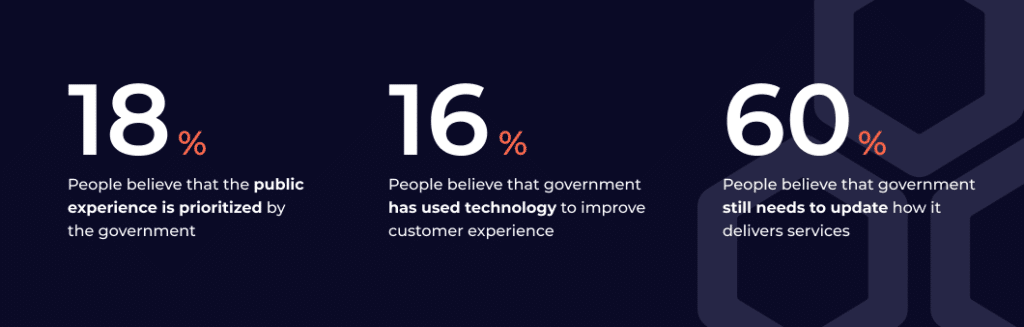
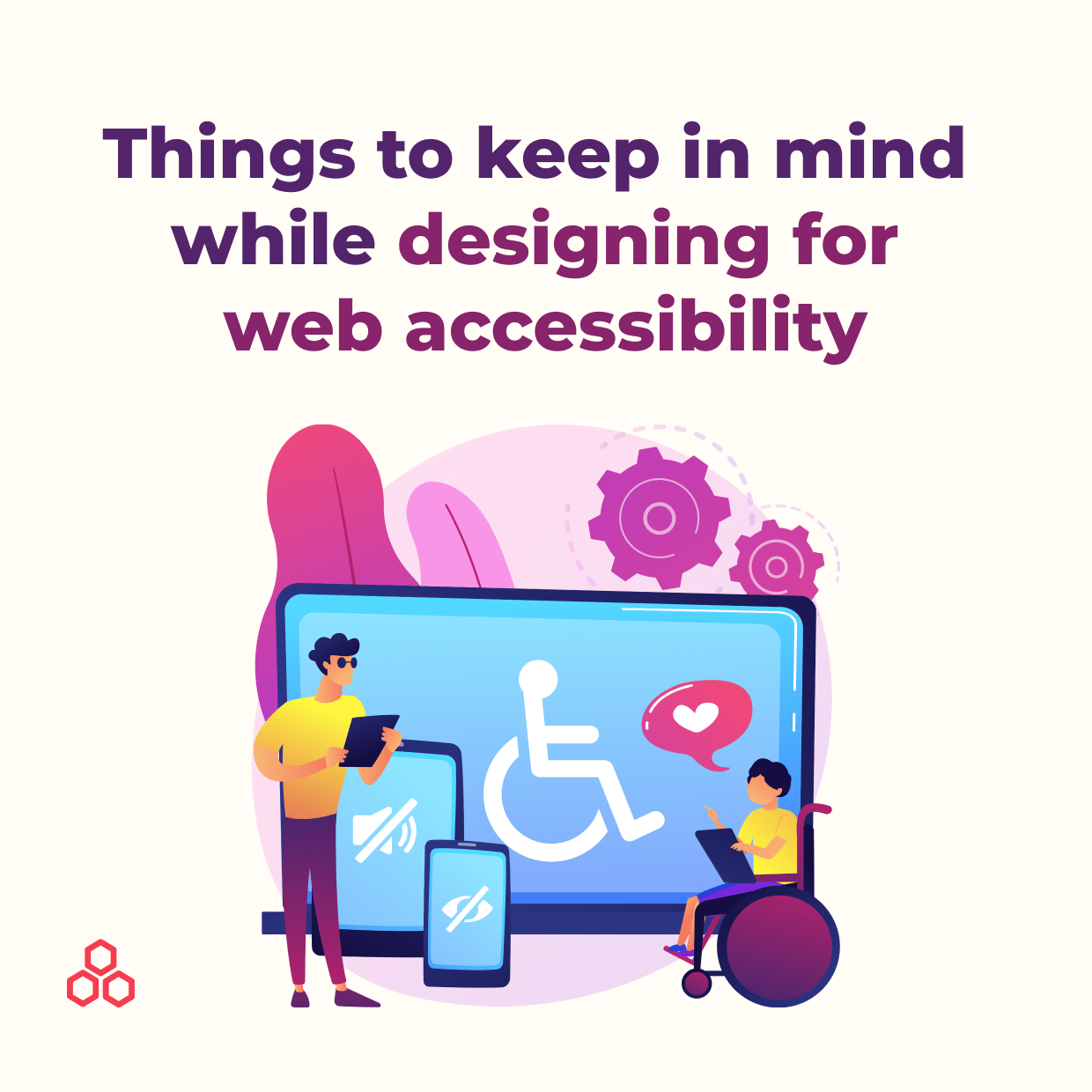
Digital transformations bring numerous benefits to public services. The most important is improving accessibility. Digital portals, mobile applications, and websites allow citizens to access government services, from anywhere around the world and at any time regardless of time zone. Imagine booking an appointment for your driver’s license in Ontario, ten days in advance, while being in British Columbia at 2:00 am! This especially becomes important for older citizens, individuals with disabilities, or those living in remote areas.
Digital processes also optimize government operations- they help cut down paperwork, reduce the need for manpower, and help lower overall administrative costs. Consider AI chatbots on government platforms in the future- these will greatly help in handling inquiries, and service requests, enhancing efficiency and overall resource allocation. They result in a faster and more responsive service that better addresses the needs of citizens.
Digital platforms help collect extensive data on citizen interactions, preferences, and feedback. Analyzing the analytics lets the governments understand how they can customize services, refine their approach towards citizens in communications, and go deep into the needs of the citizens in terms of relevance and effectiveness.
Moreover, modern platforms don’t focus only on functionality and security but also on creating a positive user experience. This includes user-friendly design, clear navigation, and integrated services, for streamlined use- like updating a health card directly after renewing a driver’s license, making processes smoother for citizens.
The key to designing citizen-centered experiences is understanding the diverse needs of multiple user bases. It doesn’t necessarily have to be completely different from the conventional product design process, except considering that it caters to numerous personas. Here’s how one can approach the design process:
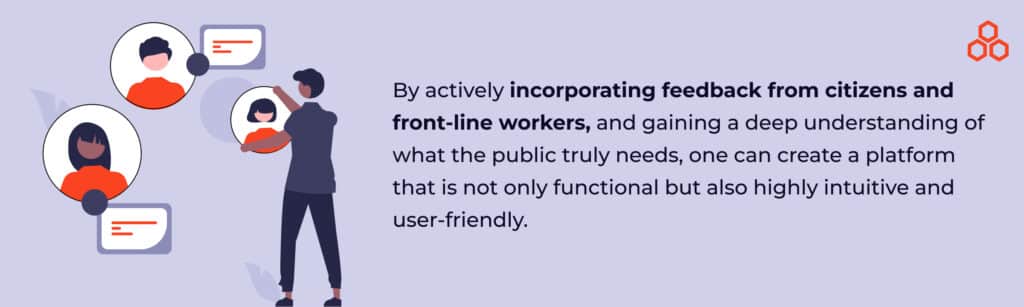
By incorporating feedback and understanding what exactly the public needs, one can design a citizen-centric application.
Quick tip- Make sure the content, labels, and overall language are always inclusive and easy to read and understand. Public service platforms often serve people from multiple communities, with different first languages. It becomes essential to empower all the users equally and efficiently.
While digital transformation comes with multiple significant advantages, it also bears its challenges. Data privacy and cybersecurity remain major concerns as governments should be fully aware of how to protect citizen’s personal information from breaches and subsequent misuse. The government needs to prioritize transparency about data collection and usage to instill confidence among the people.
Then again, there is still a big issue regarding the digital divide- not all citizens can have access to technology or the necessary skills to navigate online platforms. This means that investment in digital literacy programs and infrastructure by governments remains important to ensure that the benefit is equally useful for all.
As we move forward, it’s clear that digital transformation will continue to influence the public experience. The emphasis of everyone involved in this digital transformation should always be on developing seamless, user-friendly platforms that enable easy interactions with public services. Visualize town hall meetings in virtual space, enabled through Augmented Reality, allowing citizens to participate and ask questions from the comfort of their homes!
In the future, applications focused on government services are set to make accessing these services even easier. They might offer custom dashboards where people can track their service requests and handle everything from licenses to health cards and social security in one spot. Features like AI chatbots could further streamline interactions, making it easy to quickly search for information.
Public needs are always shifting, and the government’s responsibility is to stay in tune with these changes and advance their services accordingly. By gathering data on how people use services and tracking trends, the government can use advanced technology to make smarter updates to enhance service delivery and improve the overall “citizen experience”.
By embracing these digital advancements, public services can evolve to become more citizen-centric, ensuring that every individual feels valued and heard. The focus should always be on creating an ecosystem where services are not just accessible but tailored to meet the diverse needs of the community.
Conclusion
Digital transformation is changing the game for public services. Services are becoming more accessible, inclusive and efficient at meeting needs of diverse communities, by integrating new technology and a focus on citizen centred design. At Idea Theorem, we’re dedicated to creating platforms that not only meet but exceed public expectations. By prioritizing user-friendly solutions and utilizing the latest technologies, we help public sector organizations build platforms that truly engage and empower.