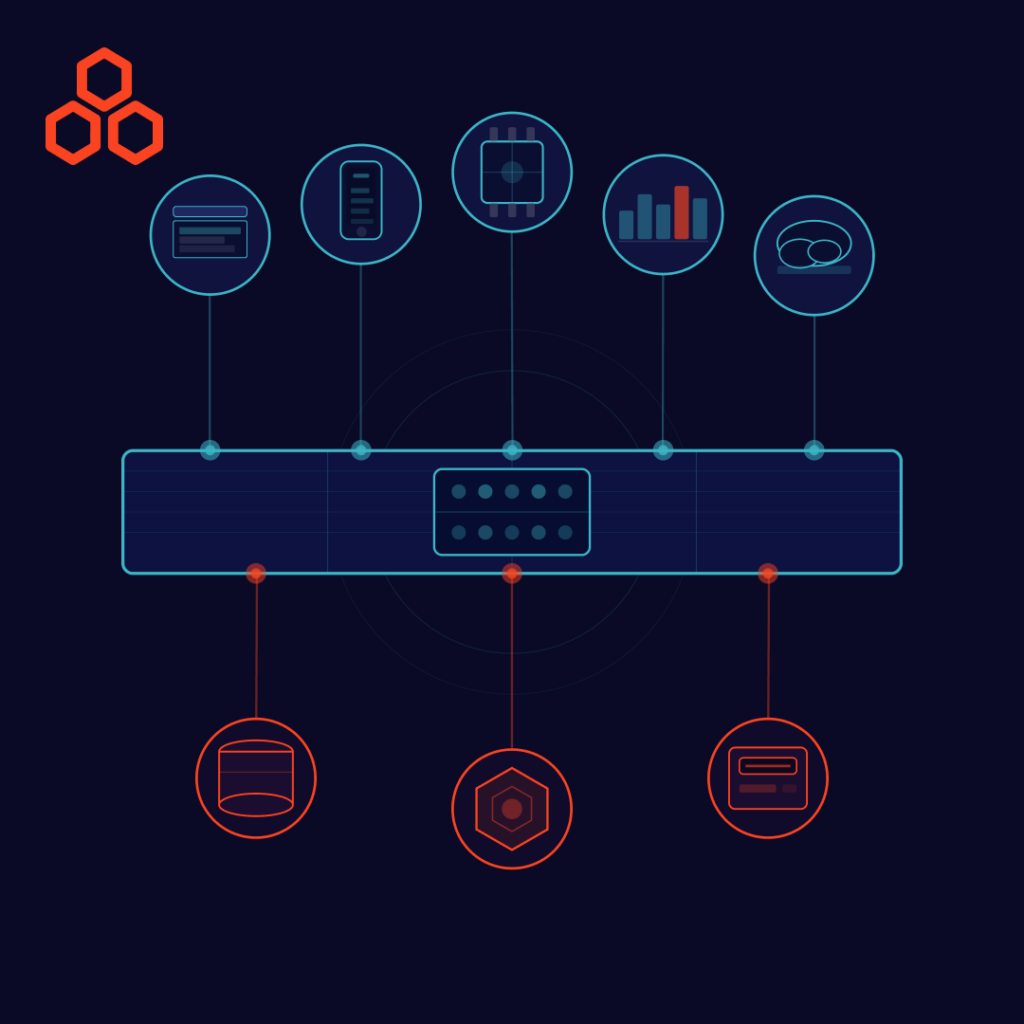
Businesses today need software that can adapt quickly new devices, new integrations, new customer expectations. API-first development is one of the most effective ways to build digital products that can keep up. Instead of treating APIs as an afterthought bolted on once the product is built, API-first teams design the API as the foundation everything else is built around.
API-first development means designing and finalizing the API contract before building the front-end, back-end, or any other part of the application. The API becomes the core product, not a byproduct. According to Swagger’s guide on adopting an API-first approach, this method allows teams to establish a shared contract early, so different teams can build against it independently instead of waiting on each other.
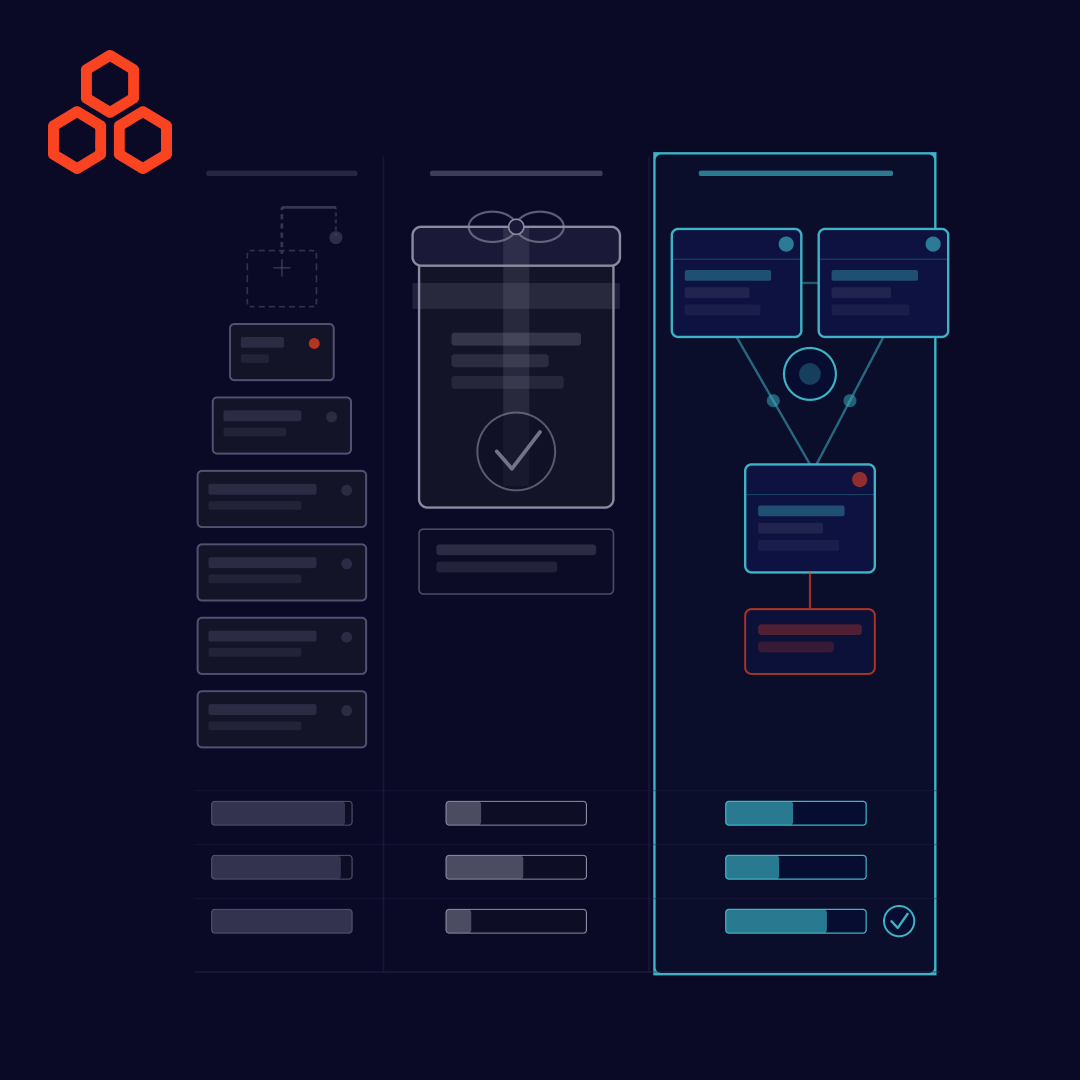
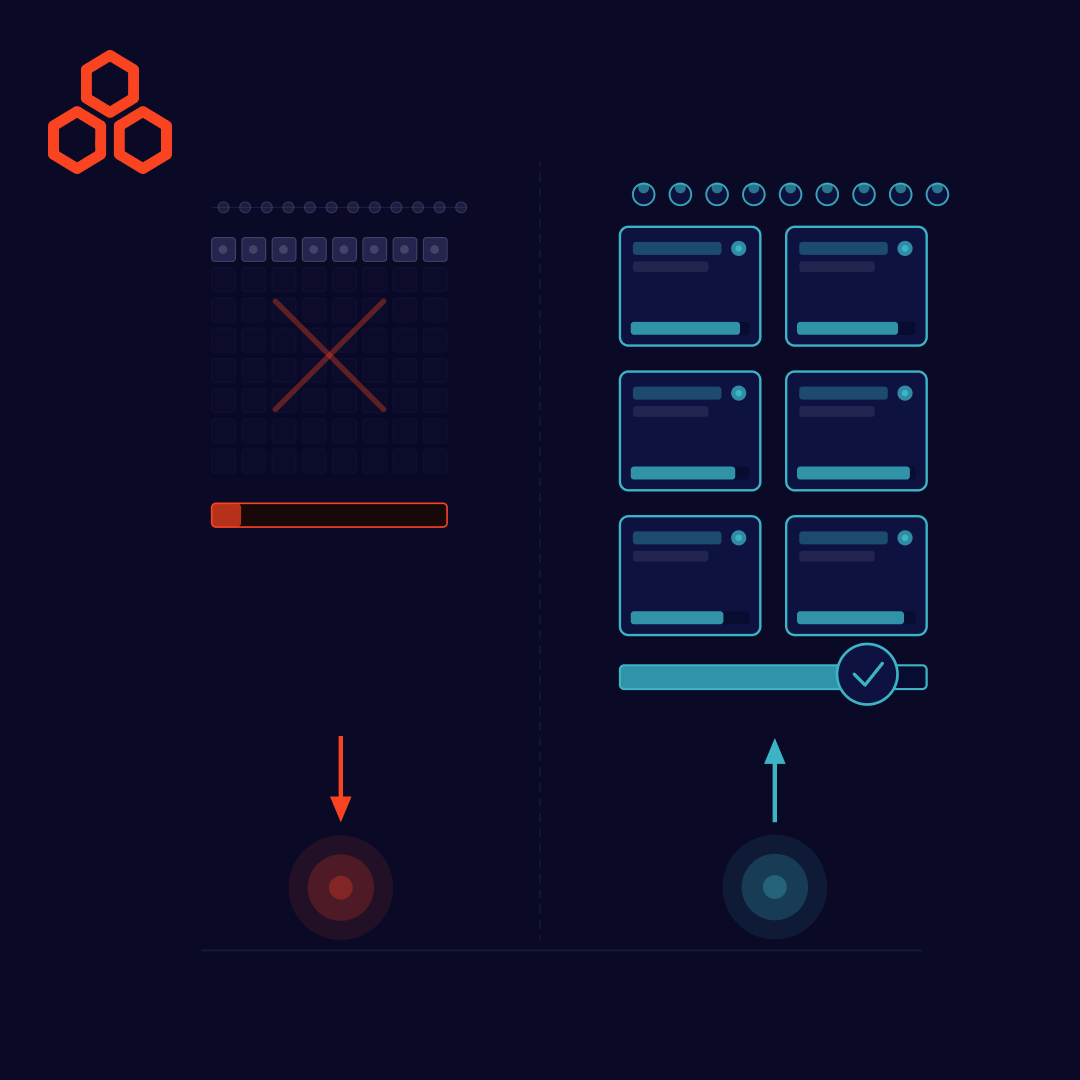
In traditional development, the back-end is usually built first, the front-end waits, and APIs get added later as a connector between systems. This creates bottlenecks and rework whenever requirements shift. API-first development flips this order the API contract is defined upfront, so front-end, back-end, and mobile teams can all build in parallel from day one.
This same principle underpins the headless CMS architecture we’ve covered before content and functionality delivered through APIs, decoupled from any single front-end.
API-first development is especially valuable for businesses building products across multiple channels web, mobile, partner integrations, or IoT devices. It also pairs well with a broader technology roadmap, since API-first systems are built to support future growth rather than being reworked each time a new use case appears. Companies planning legacy system modernization often adopt API-first principles as part of that transition, since APIs make it easier to connect old and new systems during the shift.
API-first development isn’t just a technical preference it’s a long-term strategy for building software that adapts as your business grows. By treating the API as the foundation rather than an afterthought, businesses set themselves up for faster development, easier integrations, and digital products built to last.
The businesses that benefit most are rarely the ones chasing the latest framework they’re the ones thinking ahead about how their systems will need to connect, scale, and evolve over the next several years. Starting with an API-first mindset today means fewer costly rebuilds tomorrow, and a digital product that’s ready for whatever channel or integration comes next.
Suggested Reads
Trending Resources