A poorly designed patient portal can cost a hospital system thousands in avoidable support calls and more importantly, patient trust.
Since 2020, digital health adoption has moved from “nice to have” to business‑critical. Patient portals, telemedicine platforms, clinical dashboards, and remote monitoring tools are now central to how care is delivered and experienced.
Yet many healthcare organizations continue to struggle with software that is difficult to navigate, inaccessible, or misaligned with real clinical workflows. In 2026, this gap is no longer a technical problem it’s a UX problem.
Strong UX design principles form the foundation of effective healthcare software. When applied correctly, they improve clinician efficiency, patient engagement, regulatory compliance, and overall health outcomes.
What Are UX Design Principles?
UX (User Experience) design principles are guidelines that shape how users interact with a digital product. In healthcare, they determine whether software supports care delivery—or hinders it.
Core UX design principles include:
While UI determines how healthcare software looks, UX design principles determine how well it works.
UX vs UI in Healthcare Software
| UX Design | UI Design |
| Focuses on user journeys and workflows | Focuses on visual layout and branding |
| Optimizes efficiency, safety, and outcomes | Optimizes clarity and visual consistency |
| Driven by research and usability testing | Driven by design systems and components |
Why UX Design Principles Matter in Healthcare
Healthcare software faces challenges that few other industries encounter.
Complex, High‑Risk Environments
Poor UX increases cognitive load and error risk—both unacceptable in clinical settings.
Regulatory & Accessibility Requirements
Healthcare applications must align with:
Applying UX design principles proactively helps organizations meet these requirements without sacrificing usability.
As digital health adoption continues to grow in 2026, organizations investing in strategic UX design services see higher adoption, fewer support issues, and better outcomes.
Key UX Design Principles Every Healthcare App Must Follow
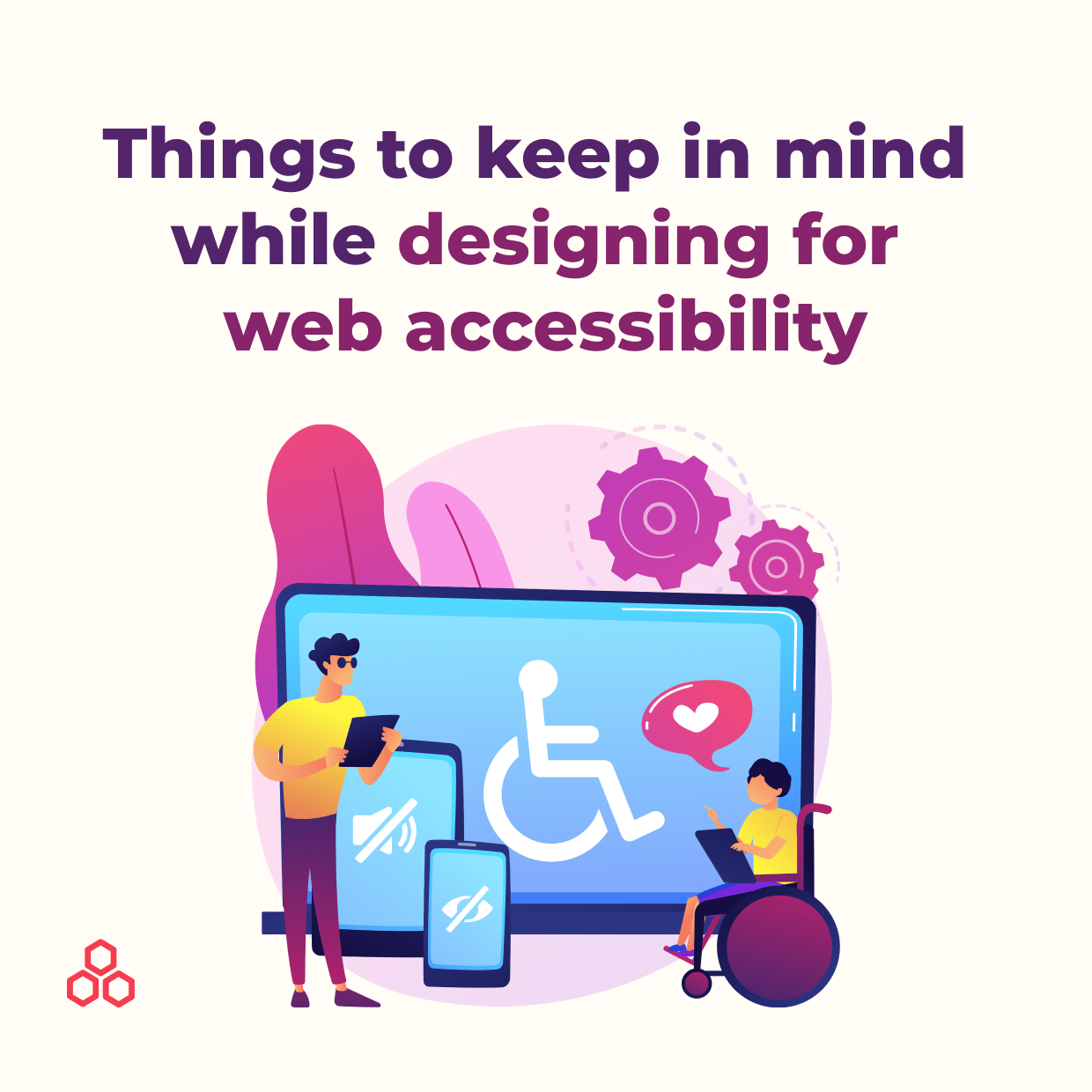
Accessibility as a Baseline
Healthcare apps must accommodate:
Accessibility is not an enhancement—it is a requirement.
Error Prevention & Clarity
UX should actively reduce risk by:
In healthcare, error‑tolerant design saves time—and lives.
Clear Information Hierarchy
Clinicians and patients need different information, presented differently. Effective UX:
Consistent Design Across Platforms
Consistency across mobile, desktop, and tablets:
How we help: Through UI UX design services, UX audit services, and usability testing, teams can identify friction points and improve real‑world performance.
How the UX Design Process Works for Healthcare Products
Effective healthcare UX follows a structured, evidence‑driven process:
The most successful teams involve both clinicians and patients early and often.
This approach aligns UX with product design and software testing & QA, reducing rework and improving outcomes.
Real‑World Healthcare UX Use Cases
Mobile‑Friendly Patient Intake
Redesigned intake flows:
Medication Reminder Experience Redesign
UX improvements led to:
Telemedicine Dashboards for Multi‑Specialty Clinics
Unified dashboards enabled:
Common UX Challenges in Healthcare—and How to Solve Them
Over‑complex navigation
→ Progressive disclosure and simplified flows
Low patient digital literacy
→ Plain language, visual cues, and iconography
Multi‑device usage
→ Responsive design supported by regular UX audits
Addressing these challenges early prevents long‑term usability debt.
Best Practices for Implementing UX in Healthcare Software
Conclusion : Making the Right Choice for Your Healthcare Apps
In 2026, UX design principles are shaping the future of healthcare software. They enable safer interactions, better patient engagement, and more efficient clinical workflows—while supporting compliance and scalability.
Building a healthcare app or digital platform?
Our team delivers compliant, patient‑centered experiences through expert UX design services, UX audits, and user interface design services.
Suggested Reads
Trending Resources