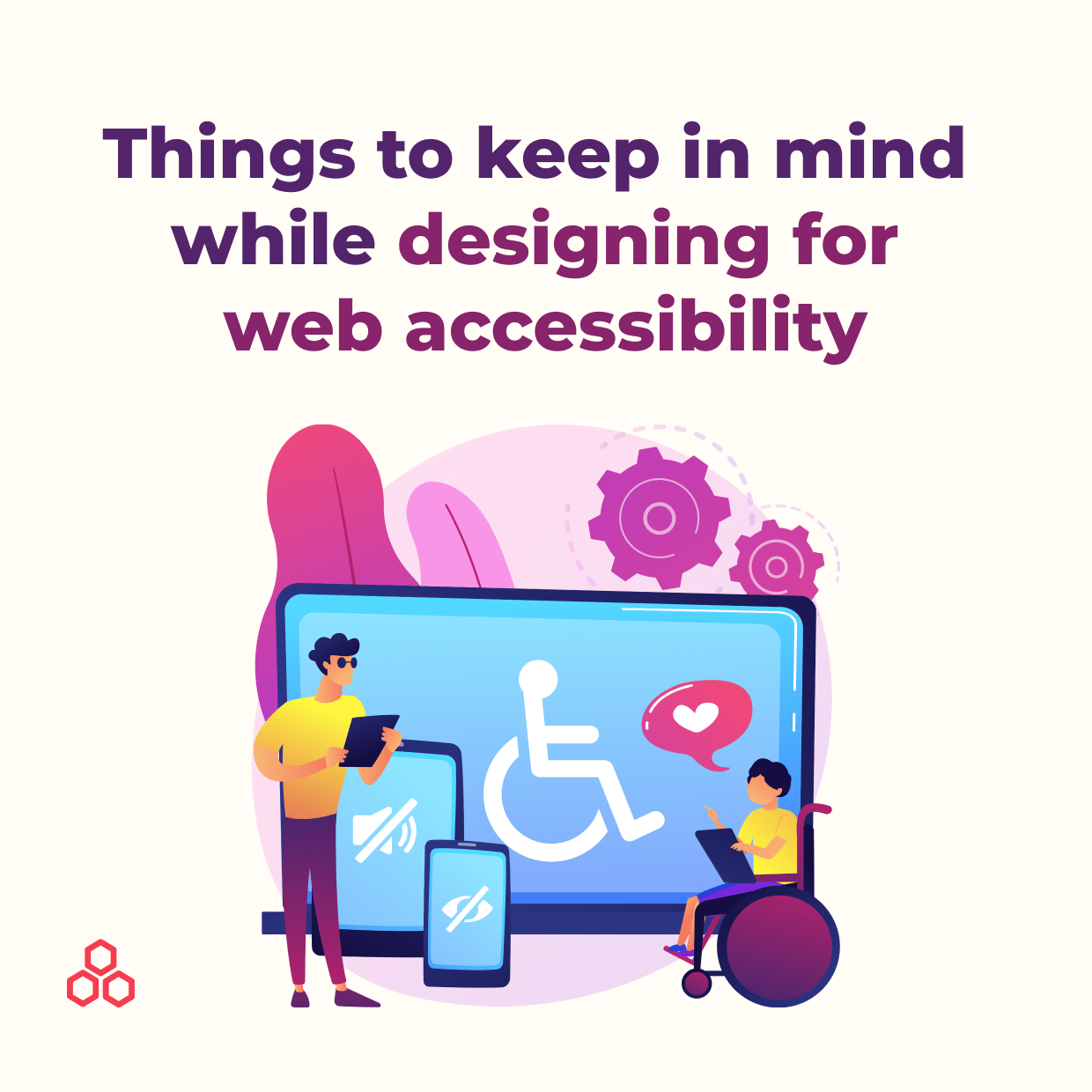
n today’s digital age, government services are increasingly shifting online, providing citizens with convenient access to essential services, information, and resources. However, for these services to be truly effective and inclusive, they need to be designed with the end-users in mind. User-centered design, often referred to as User Experience (UX) design, plays a pivotal role in ensuring government services are accessible, transparent, and efficient for all citizens. In this blog, we’ll explore the impact of user-centered design on government services, and how UI/UX strategies can optimize citizen interactions with government platforms.
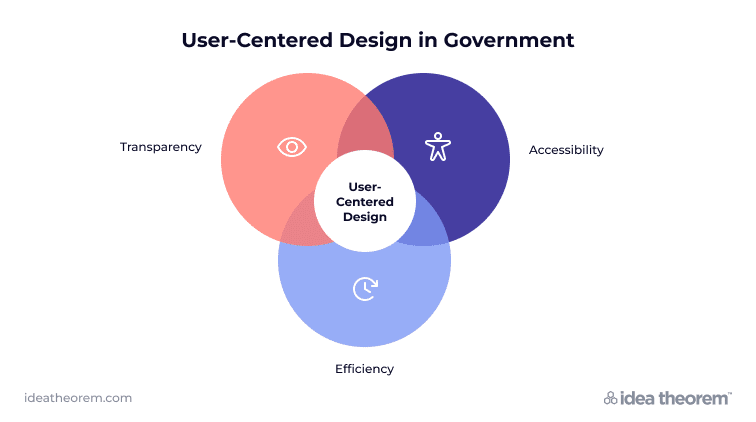
User-centered design is a design approach that prioritizes the needs, preferences, and experiences of the end-users. When applied to government services, it can transform the way citizens interact with public agencies and access vital information. Here’s how:
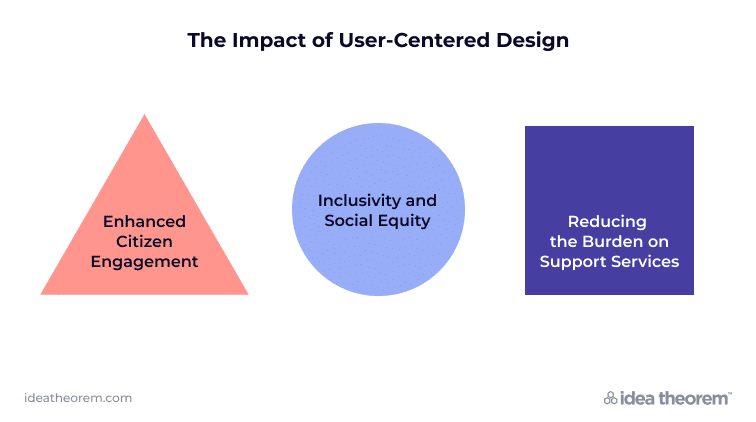
Enhanced Citizen Engagement
User-centered design fosters better citizen engagement. When citizens find government services user-friendly and efficient, they are more likely to actively participate in civic activities. They are more inclined to vote, provide feedback, and take part in community initiatives. By improving UX, government agencies can strengthen their relationship with the public, ultimately leading to a more engaged and informed citizenry.
Inclusivity and Social Equity
Inclusivity is a fundamental aspect of user-centered design. It ensures that government services cater to a wide range of demographics, including those with varying levels of digital literacy. Moreover, it can bridge the digital divide by providing accessible options for those without reliable internet access. Through user-centered design, governments can promote social equity and make sure no one is left behind in the digital age.
Reducing the Burden on Support Services
A well-designed user interface minimizes the need for assistance and support services. When citizens can easily navigate a government website or app, they are less likely to rely on costly call centers or in-person visits. This reduces the strain on government resources and frees up personnel to focus on more complex issues or critical services.
Multilingual Support
In multicultural societies, providing services in multiple languages is essential. Multilingual support ensures that non-native speakers and immigrants can access government services with ease. Effective translation and localization are key elements of user-centered design for government.
Personalization
Government platforms can benefit from personalization features that adapt content and services based on the user’s preferences and history. This customization can significantly improve the user experience by offering citizens content that is relevant to their needs and interests.
Education and Training
Incorporate user guides, video tutorials, and tooltips within the platform to educate citizens about how to effectively use government services. By investing in user education, governments can empower their citizens to make the most of digital resources.
Usability Testing and Iteration
Continual improvement is at the core of user-centered design. Governments should regularly conduct usability testing to identify pain points and areas for improvement. This feedback-driven process ensures that the user experience is consistently refined and enhanced.

Incorporating user-centered design into government services is an ongoing commitment to meeting the needs of a diverse and dynamic citizenry. It’s not just a one-time design effort but a continuous process of improvement. Government agencies that prioritize UX design reap numerous benefits, including higher citizen satisfaction, increased efficiency, better engagement, and a more inclusive society.
As technology continues to advance, governments must adapt and evolve their digital interfaces and services to ensure they remain relevant and accessible to all. By putting citizens at the center of their design and delivery process, governments can achieve their ultimate goal of providing accessible, transparent, and efficient services for everyone, making government services truly “Inclusive by Design.”
—
Idea Theorem is an award-winning design & development agency based in North America. Through our empathy-driven approach, we have crafted digital products that have positively impacted over 10 million users. Our mission is to shape the digital future by delivering exceptional experiences. Contact Us if you have any questions; we will gladly help you.