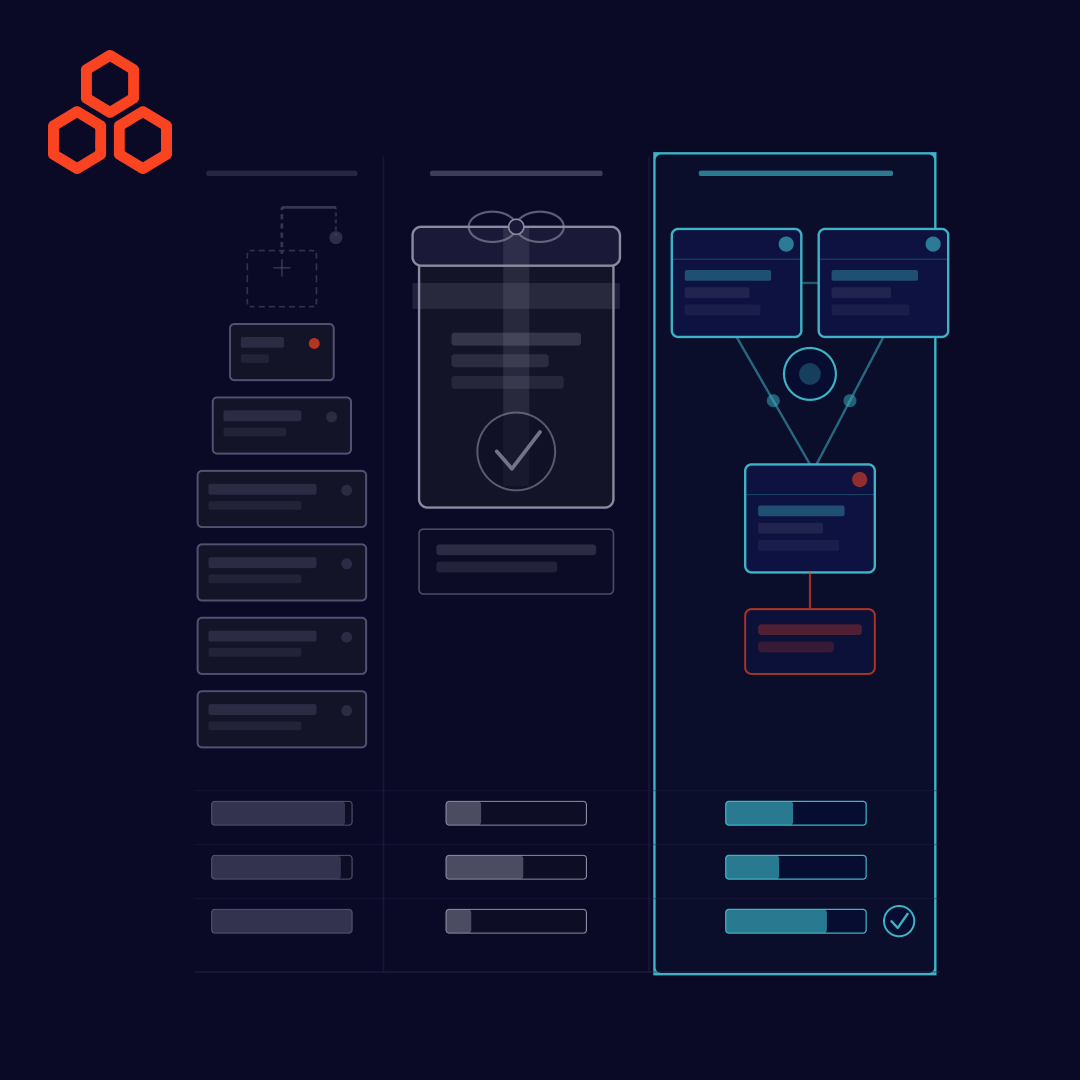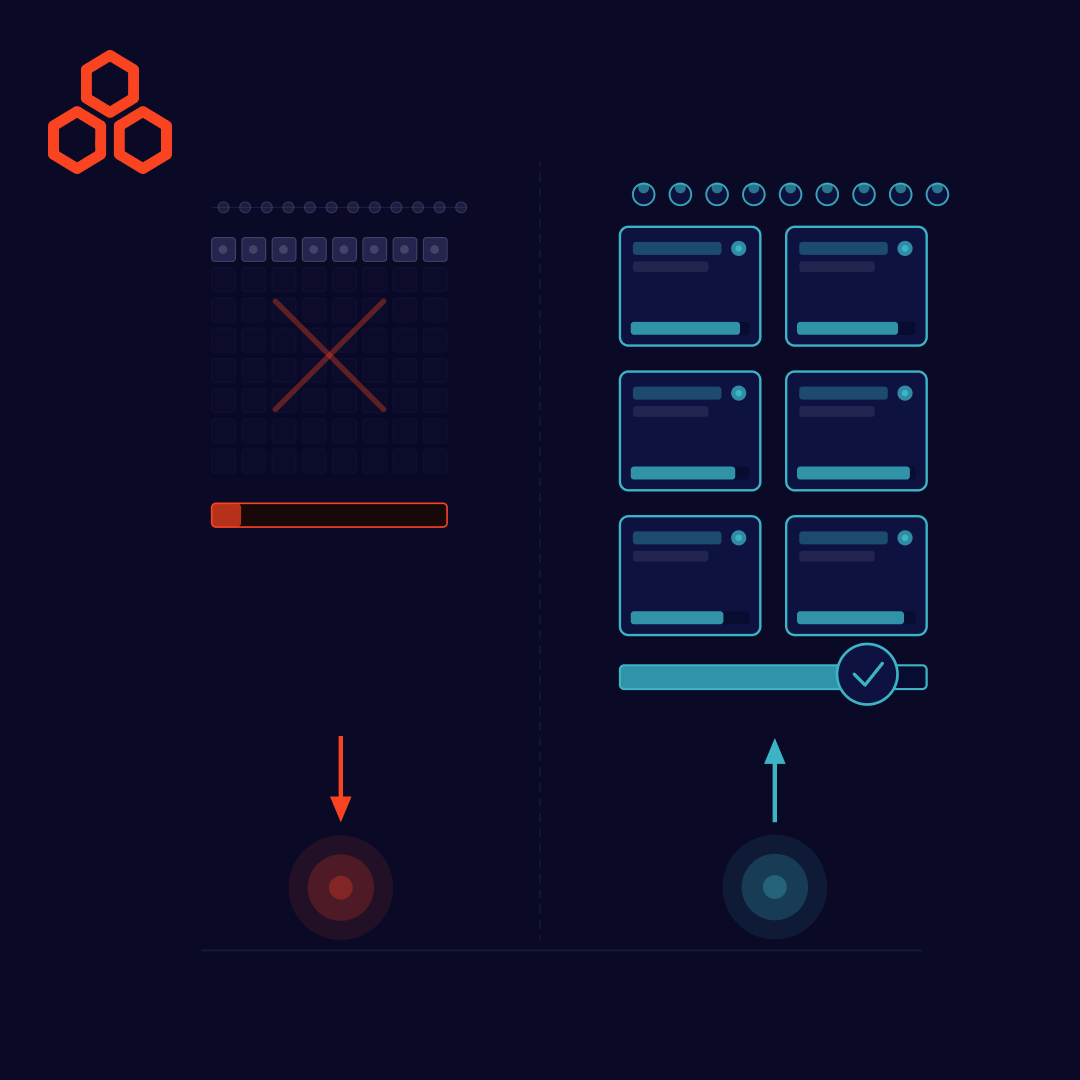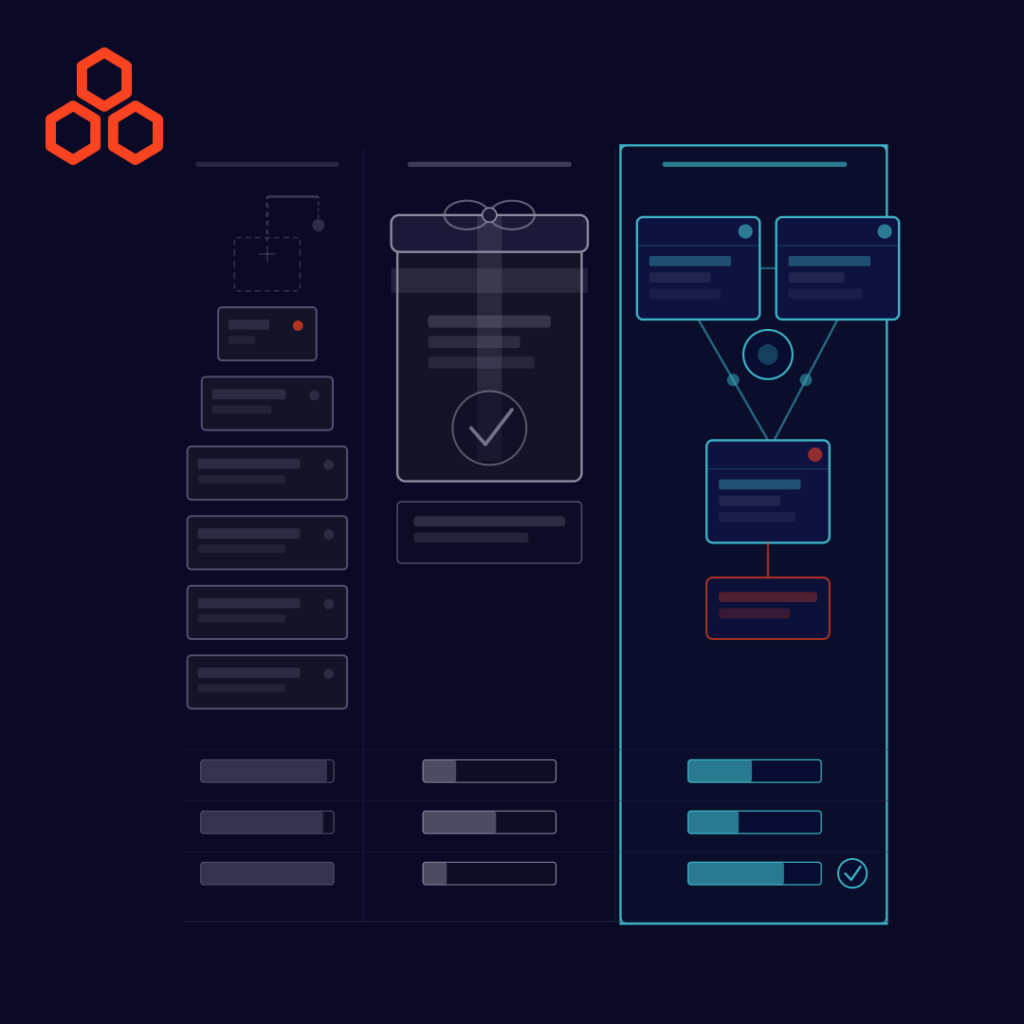
Few technology decisions carry as much long-term weight as choosing whether to build custom software, buy an off-the-shelf solution, or integrate existing systems together. Get it right, and the business moves faster with lower risk. Get it wrong, and the company is stuck maintaining an expensive mistake for years. The build vs buy software decision isn’t a simple either-or anymore in 2026, most enterprises land somewhere in between, buying the core and building only what genuinely sets them apart.
The right answer depends on one central question: does this capability create real competitive advantage, or does it simply support a standard business process? Commodity functions payroll, email, basic accounting rarely justify custom development, since the value they deliver is essentially identical across every company that uses them. According to a BETSOL framework for enterprise build vs buy decisions, the strongest decisions weigh business criticality, time-to-value, control, and available internal resources together, rather than defaulting to either option out of habit.
Lean toward buying when:
Lean toward building when:
Custom software makes the most sense when the process in question is how your business creates value the workflow, logic, or customer experience that competitors can’t simply replicate by buying the same tool you did. If a system needs to evolve constantly alongside a unique business model, off-the-shelf software will eventually become a constraint rather than an enabler. This is also where software architecture best practices matter most, since a custom build only pays off if it’s structured to scale and adapt over time.
Businesses frequently underestimate the “buy” side’s long-term cost, since license fees, add-ons, and underused seats quietly accumulate a pattern closely related to the budget drain we cover in our piece on technical debt, where deferred decisions compound into larger costs over time.
Integration is often the overlooked third option, and increasingly the most practical one. Rather than building everything from scratch or buying a single monolithic platform, many businesses now buy specialized, best-in-class tools and integrate them together through APIs an approach that pairs naturally with API-first development. This lets businesses avoid the cost and risk of custom-building commodity functions while still assembling a system tailored to how they actually operate. The trade-off is added complexity in maintaining those connections, which makes evaluating integration maturity not just individual product features an essential part of the decision.
The build vs buy software decision isn’t a one-time fork in the road it’s a recurring strategic question that should be revisited as the business, budget, and available tools evolve. The businesses that get the most value treat it as a portfolio decision: buy the commodity functions, build where it creates real differentiation, and integrate the rest into a system that fits how they actually work.
Suggested Reads
Trending Resources