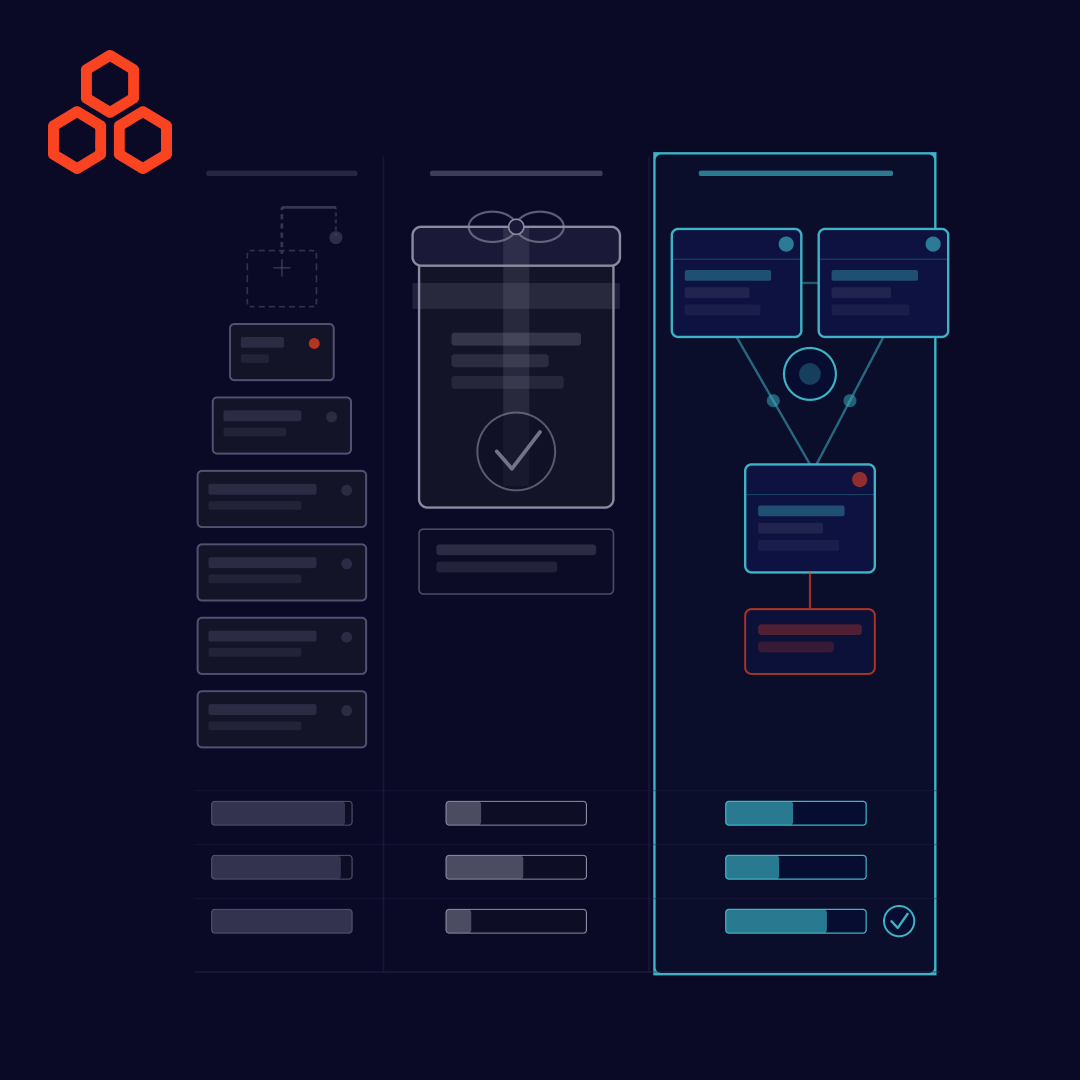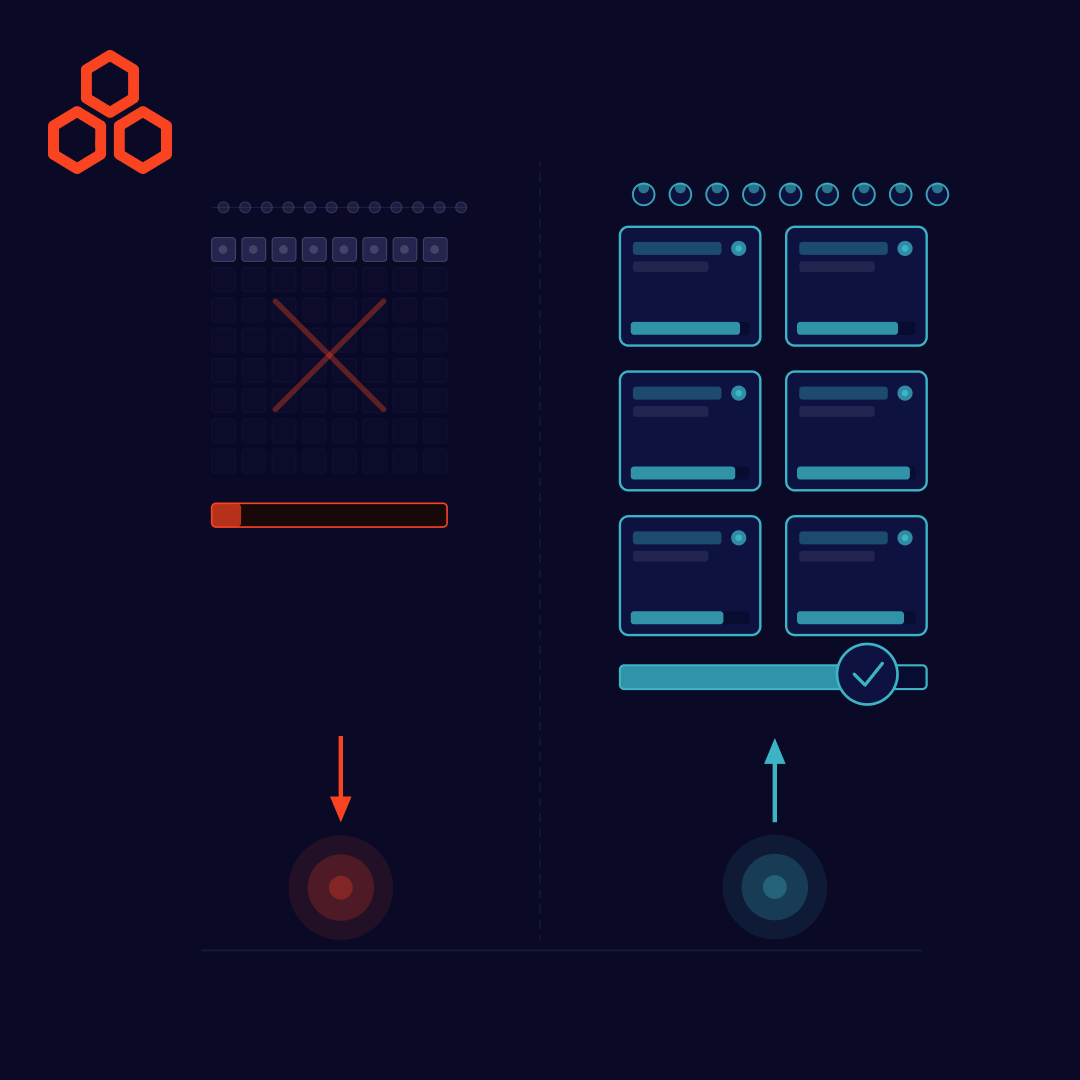
Businesses often judge enterprise software by how many features it offers. But a platform packed with capabilities delivers zero value if employees don’t actually use it. Enterprise software user adoption not feature count is what determines whether a technology investment turns into real business results. Research on ERP rollouts backs this up clearly: a large share of enterprise implementations fail to meet their original business goals, and the root cause is almost always behavioral, not technical.
Vendors compete heavily on feature lists, and it’s tempting for buyers to equate “more features” with “more value.” In practice, most enterprise platforms already have far more functionality than employees ever touch. The gap between what software can do and what employees actually do inside it is where most of the lost value hides. A system with fewer, well-adopted features consistently outperforms a feature-rich platform that employees avoid or work around.
1. Disrupted Habits People default to familiar tools and workarounds, even when a new system is objectively better, unless there’s a clear reason to change.
2. Poor Usability Enterprise systems are often designed around backend architecture and business requirements rather than how employees actually work, making everyday tasks harder than they need to be.
3. Insufficient Training One-time onboarding sessions rarely build lasting comfort with a new system, especially for complex enterprise workflows.
4. Lack of Clear Value If employees don’t see how the new tool makes their specific job easier, they’ll quietly revert to spreadsheets, email, or the old system.
5. Weak Change Management Without visible leadership support and consistent communication, new software rollouts lose momentum quickly.
Significantly. Enterprise platforms tend to be more complex than consumer apps, supporting multiple departments, workflows, and user roles at once. Without a deliberate UX strategy, that complexity overwhelms users they struggle to find information, complete tasks, or understand where to go next. Systems designed around actual employee workflows, rather than purely technical architecture, consistently see stronger enterprise software user adoption, faster onboarding, and fewer manual workarounds. This mirrors the same principle behind software architecture best practices structure should serve the people using the system, not just the technical requirements behind it.
Login counts and license activations are surface-level metrics that often hide the real story. Meaningful adoption metrics include task completion rates within key workflows, frequency of use for core features (not just any feature), reduction in manual workarounds, and measurable improvements in the business outcomes the software was purchased to support fewer errors, faster processing times, or more consistent data quality. Tracking these signals ties adoption directly to the same kind of outcome-based thinking we recommend in any technology roadmap: tools should be evaluated by the results they produce, not the activity they generate.
Feature count will always look impressive in a sales demo, but it’s enterprise software user adoption that determines whether an investment actually pays off. Businesses that prioritize usability, training, and change management over raw functionality consistently get more value from their software often from tools with far fewer features than the alternatives they passed on.
Suggested Reads
Trending Resources