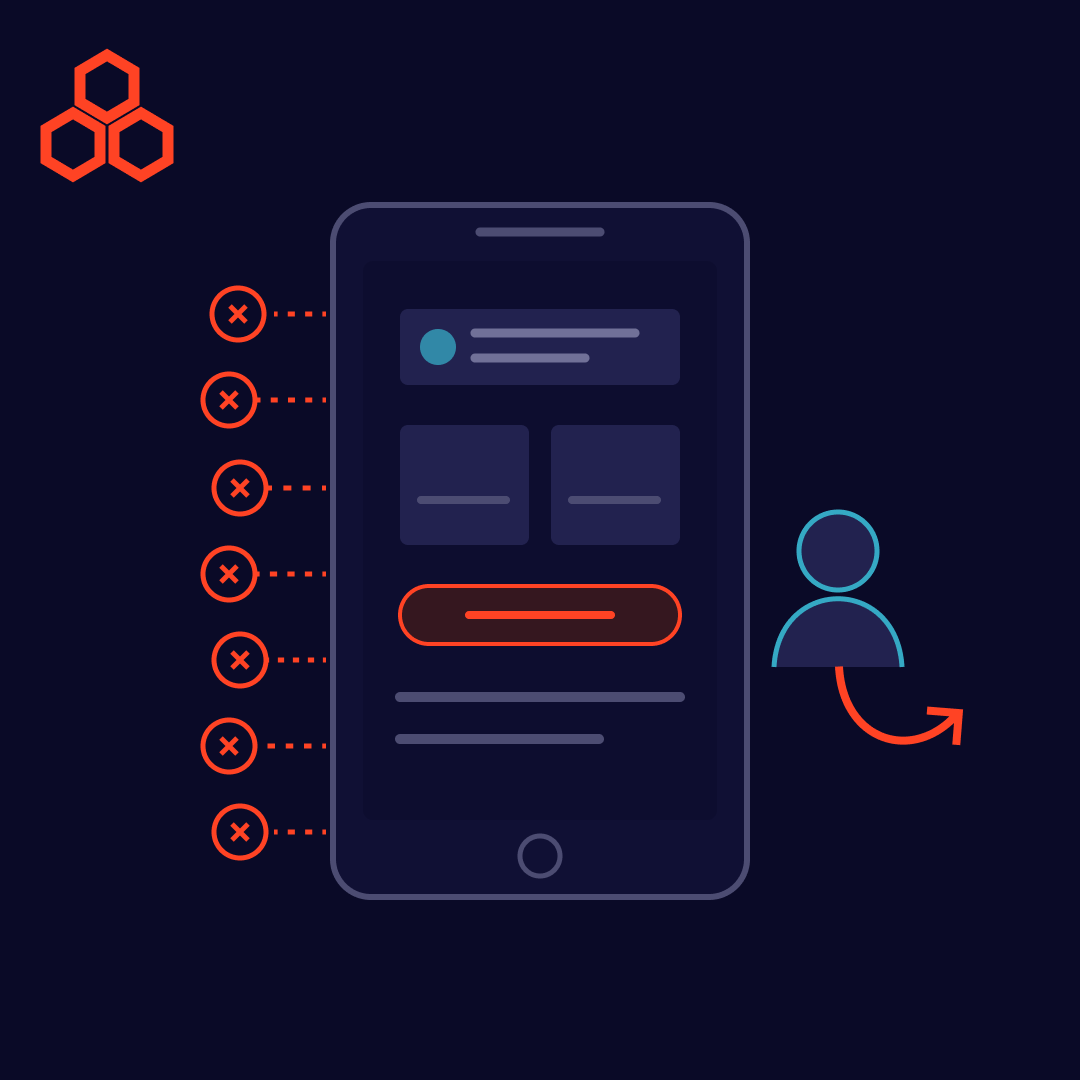
The headless CMS benefits become clear the moment your content management system stops helping and starts getting in the way. It should make publishing easier, not become the thing everyone works around. Yet many growing teams reach a point where simple requests start to feel complicated: a new landing page needs a developer, a mobile app can’t reuse website content, and a redesign means rebuilding half the platform.
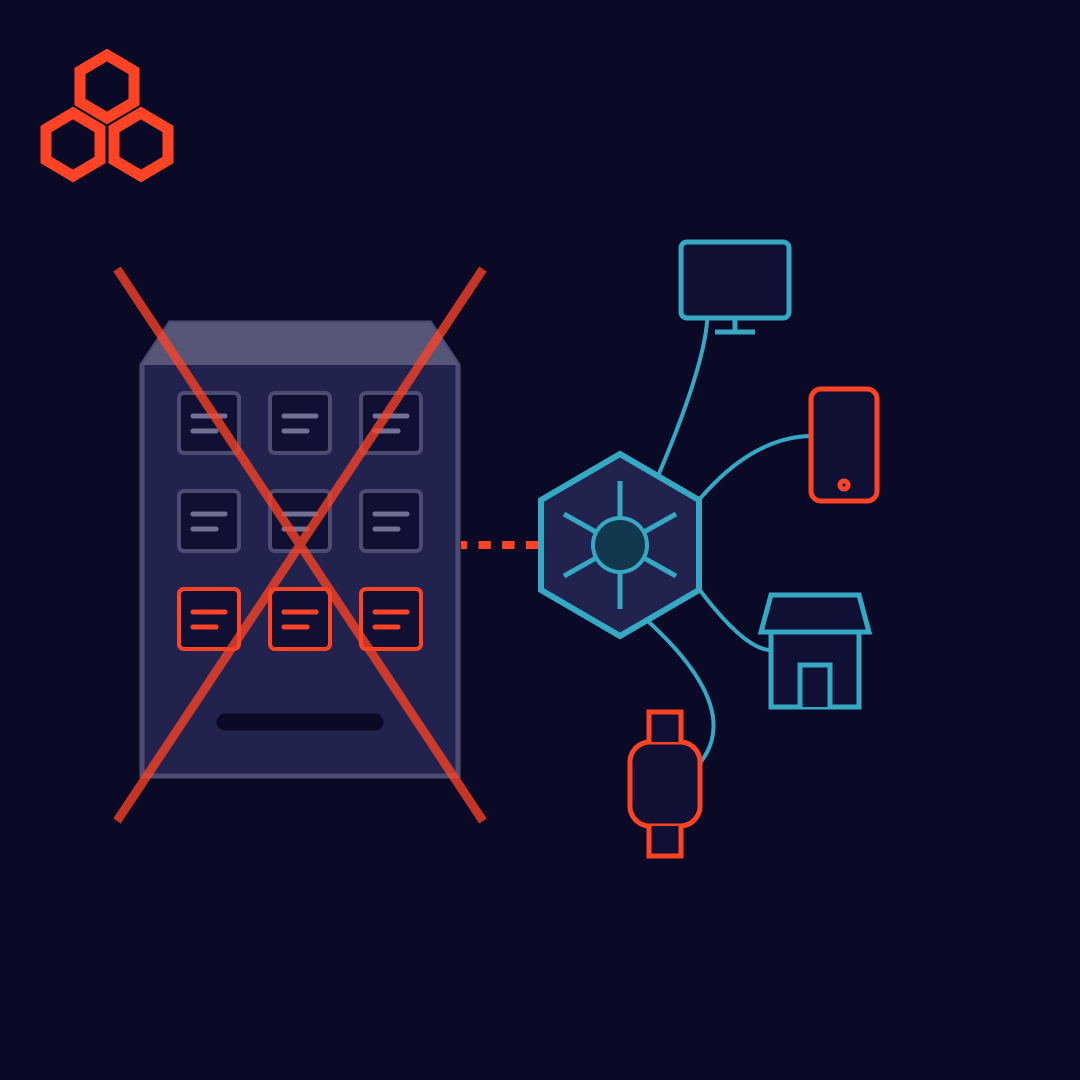
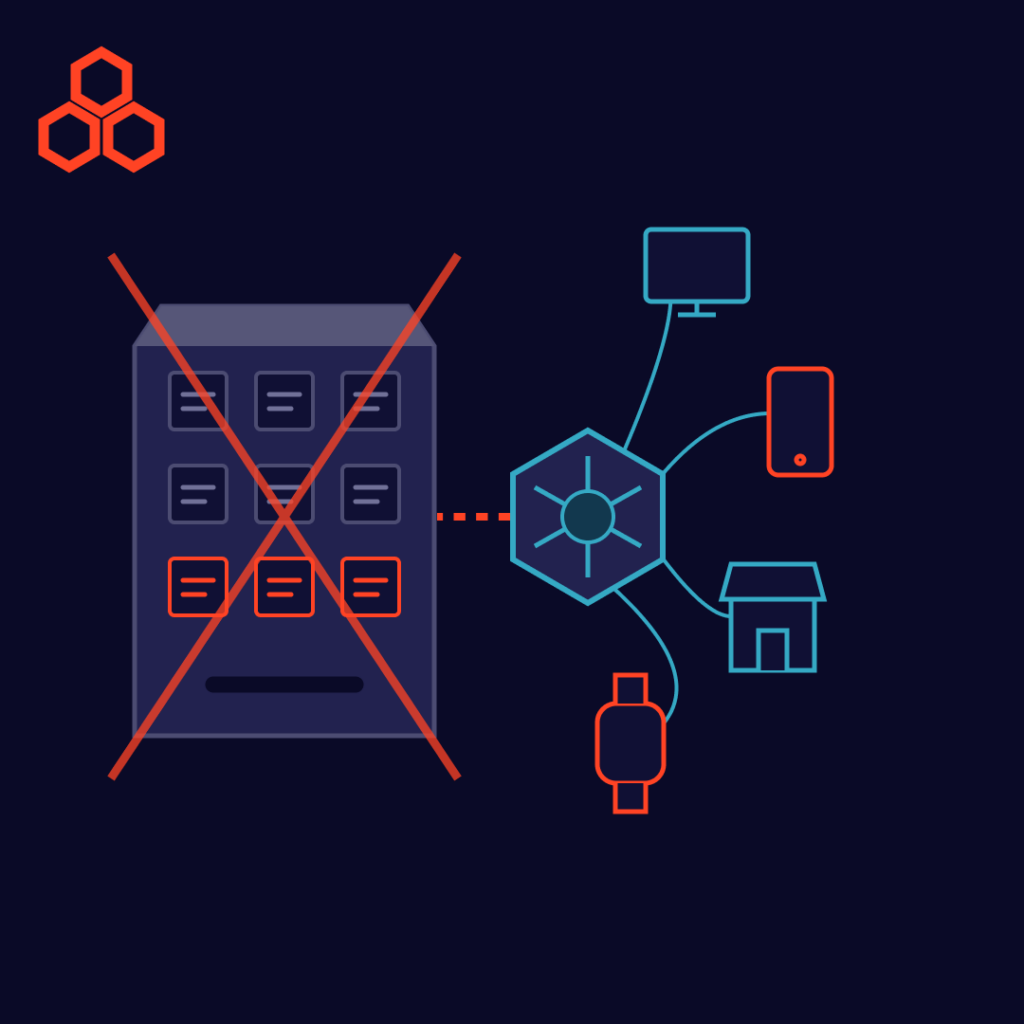
If that sounds familiar, the problem may not be your team. It may be your architecture. A traditional CMS ties content, design, and delivery together in one system. A headless CMS separates them, storing content in one place and delivering it through APIs to any website, app, or device.
Understanding the headless CMS benefits can help you decide whether it’s time to move. Below are eight clear signs that a traditional setup may be holding your growth back.
In a traditional (or “coupled”) CMS, the back end where content is created and the front end where it is displayed are built together. The system controls both what you publish and how it looks.
A headless CMS removes the “head,” meaning the presentation layer. Content lives in a central repository and is delivered through APIs, so developers can display it on any front end they choose, from a website to a mobile app, kiosk, or smart device.
If your content must appear on a website, a mobile app, email, and other channels, copying and pasting between systems quickly becomes slow and error-prone. A headless CMS lets you create content once and publish it everywhere through APIs, which is one of the biggest headless CMS benefits for multichannel teams.
Traditional platforms often rely on heavy themes, plugins, and server-side rendering, which can slow page loads. Headless setups pair well with modern frameworks, static generation, and content delivery networks, which typically lead to faster, more consistent performance. Speed affects user experience, conversions, and search visibility, and Google’s Core Web Vitals are a useful way to measure it. This is one of the most practical headless CMS benefits for teams chasing better page speed.
When small content or layout changes need technical help, bottlenecks form. Headless separates content from presentation, so editors can manage content independently while developers focus on the front end. Each team can work at its own pace.
Traditional systems often require a specific language, theme structure, or plugin ecosystem. If your developers want to use modern frameworks such as React, Vue, or Next.js, a coupled CMS can get in the way. Headless is front-end agnostic, so your team can choose the tools that fit the project. That freedom is among the headless CMS benefits developers value most.
Plugin-heavy sites can face compatibility conflicts, slow performance, and ongoing maintenance. Each added plugin may increase risk. Headless architectures usually rely on a leaner core with integrations connected through APIs, which can simplify maintenance.
A traditional CMS exposes its admin and front end through the same system, which can widen the attack surface. With headless, the content store and public front end are separated, and the front end can be served as static files, which often reduces exposure. You still need good security practices, but the structure can help.
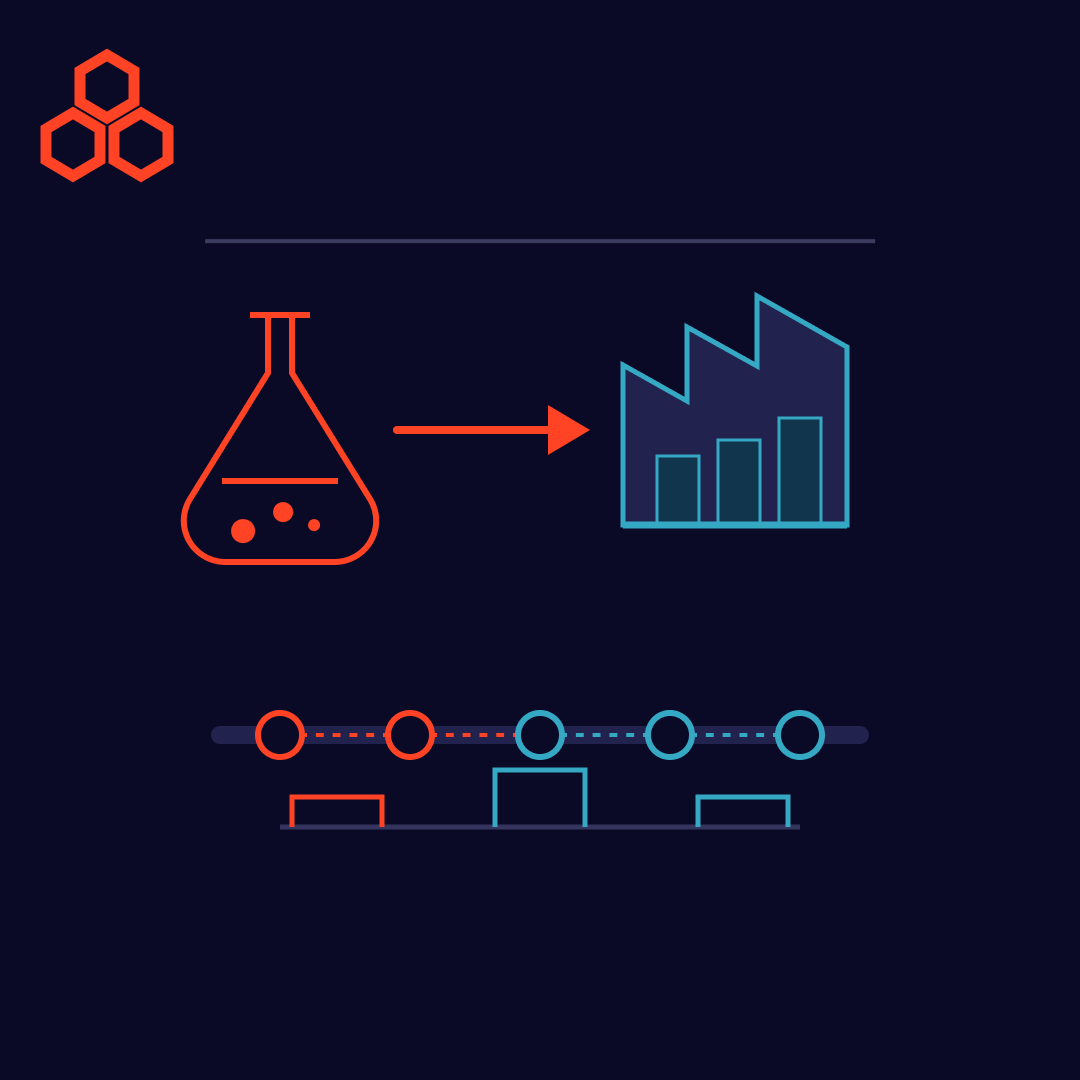
Planning a mobile app, a redesign, a new brand, or expansion into new markets? In a coupled system, big changes often mean rebuilding content and design together. With a headless CMS, you can redesign the front end without migrating your content, which makes future change less disruptive.
Traditional systems are built around pages. Modern content is often reusable and structured: product details, FAQs, author bios, and promotions that appear in many places. Headless platforms support structured content models, making it easier to reuse and personalize content across experiences.
Headless isn’t the right answer for every team, and it helps to go in with clear expectations.
Small, simple brochure sites with a single channel may be perfectly well served by a traditional CMS.
Ask yourself a few questions:
If you answered yes to several, a headless approach is worth exploring.
If your current CMS is slowing your team down, the right move may be to rethink the foundation. The headless CMS benefits above are real, but they pay off most when they match your goals. Start by auditing your content, channels, and performance needs, then compare headless options against your goals. A well-planned move can give your team more freedom, speed, and room to grow.
Suggested Reads
Trending Resources