Writing code used to be the slowest, most expensive part of building software. Generative AI is changing that, and the effects reach far beyond autocomplete. AI Software Development now touches how teams gather requirements, design systems, test releases, and maintain products after launch. But the headline promise of “10x developers” hides a more interesting story: the businesses seeing real returns are the ones that rethink their whole lifecycle, not just hand their engineers a coding assistant.
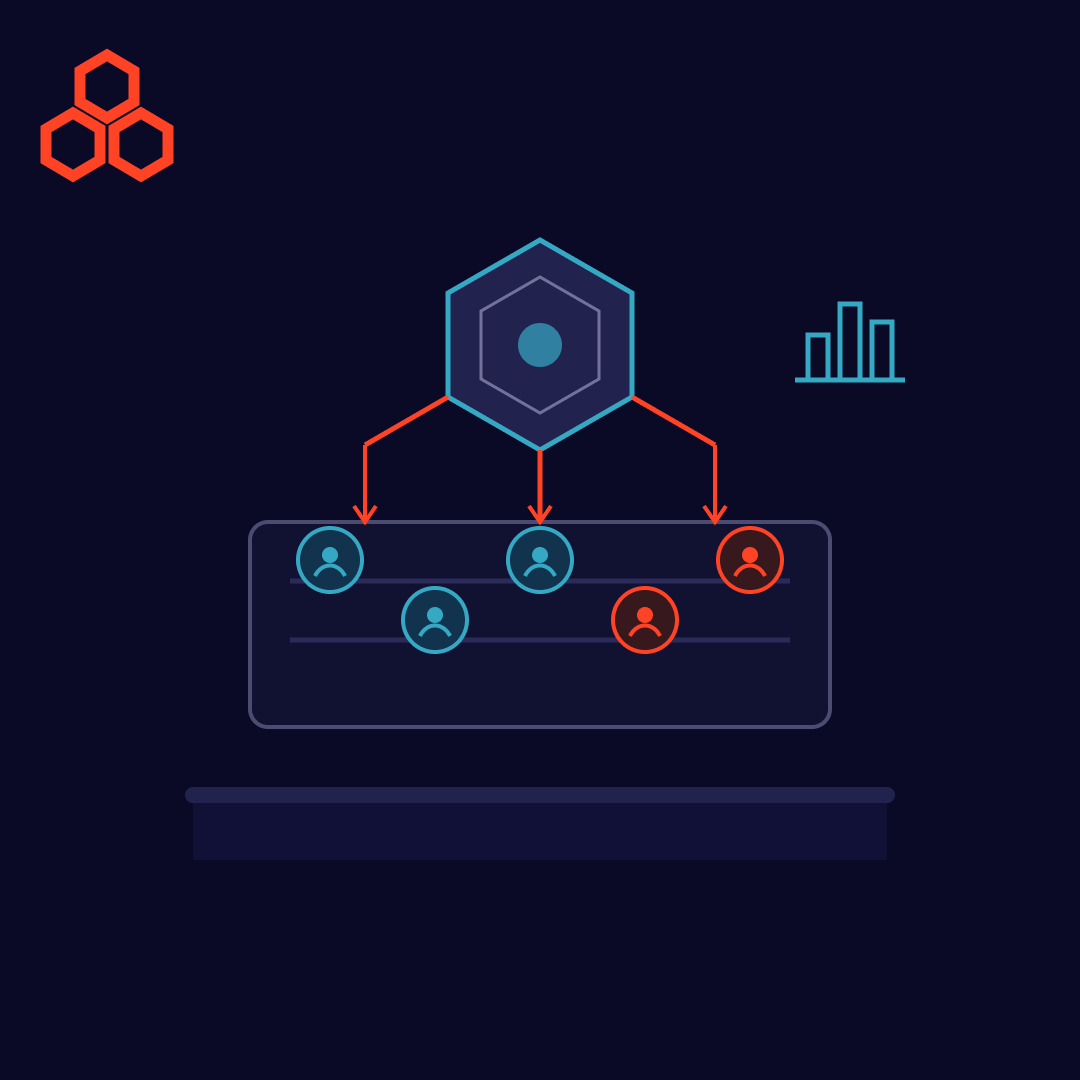
Development team using generative AI tools across the software development lifecycle
An AI-first approach treats AI as a built-in part of how software gets planned, built, and shipped, rather than an optional add-on for individual developers. Instead of asking “which tool should our engineers try?”, AI-first teams ask “which stages of our lifecycle can AI accelerate, and what must change around it so the speed-up actually reaches customers?”
1. Discovery and Requirements Generative AI can summarize user interviews, draft user stories, and flag gaps or contradictions in requirements documents before any code is written.
2. Planning and Design AI can propose architecture options, generate diagrams, and help teams compare trade-offs early. Human judgment still decides which option fits the business, as covered in our guide to software architecture best practices.
3. Coding Assistants generate boilerplate, suggest completions, explain unfamiliar code, and translate between languages, freeing developers for harder problems.
4. Testing and Quality Assurance AI can draft unit tests, suggest edge cases, and help triage failures, which makes broader test coverage far cheaper to achieve.
5. Deployment and Maintenance From summarizing incidents to drafting documentation and proposing fixes, AI shortens the time spent on the unglamorous work that follows every release.
Diagram showing generative AI support across each stage of the software development lifecycle
Coding is only one slice of the lifecycle. According to Bain’s 2025 technology report on generative AI in software development, writing and testing code accounts for roughly 25% to 35% of the time from initial idea to product launch. The report found that teams using AI coding assistants typically see productivity boosts of 10% to 15%, while some companies reaching 25% to 30% pair AI with end-to-end process change.
The reasons gains stall are rarely technical:
AI-generated code still needs human review. It can introduce subtle bugs, security weaknesses, or inconsistent patterns that quietly add to your technical debt. Teams also need clear policies on code ownership, licensing, and what proprietary data may be shared with AI tools. Treat AI output like a pull request from a fast but inexperienced colleague: useful, and always reviewed.
AI software development rewards teams that treat it as a lifecycle change rather than a tooling upgrade. Used deliberately, with strong review practices and clear metrics, generative AI can shorten delivery time and lift quality. Used carelessly, it just produces more code to maintain.
Suggested Reads
Trending Resources