Technology decisions shouldn’t happen in isolation. Without a clear plan, businesses end up with disconnected tools, wasted budgets, and systems that can’t keep up with growth. A well-structured technology roadmap solves this problem by connecting IT investments directly to business goals, ensuring every technical decision supports where the company is headed.
Here’s how to build one that actually works.
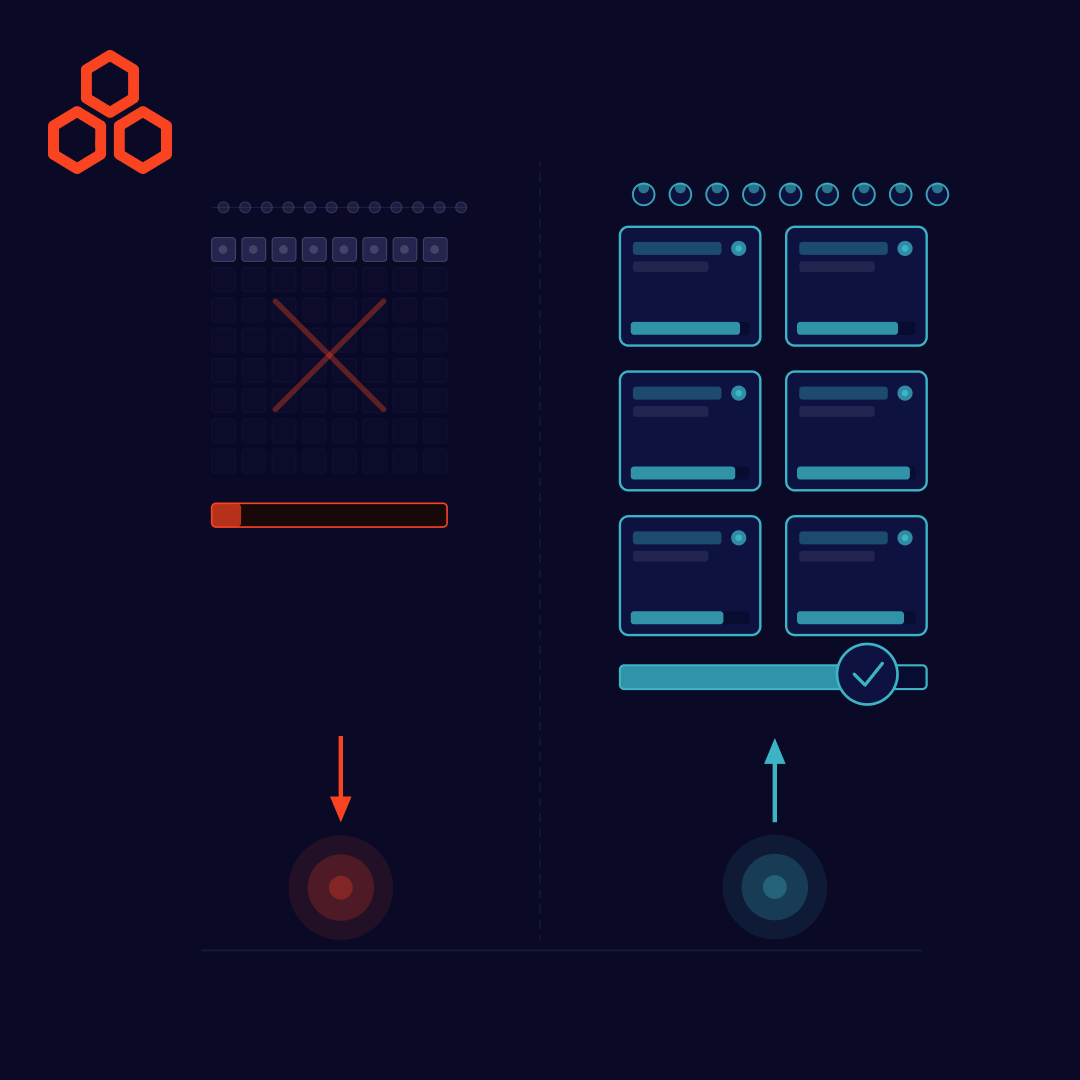
A technology roadmap is a strategic plan that outlines the technology initiatives, tools, and infrastructure a business needs to achieve its goals over a specific timeframe. It acts as a bridge between business strategy and technical execution, giving leadership and technical teams a shared, visual plan to follow.
Alignment – connects IT priorities with business objectives
Better budgeting – helps forecast technology spend more accurately
Reduced risk – identifies gaps, outdated systems, and security concerns early
Improved communication – gives leadership and teams a shared reference point
Scalability – ensures systems can support future growth instead of becoming a bottleneck
Before choosing tools or platforms, clarify what the business is trying to achieve whether it’s entering new markets, improving customer experience, or increasing operational efficiency.
Audit existing systems, tools, and infrastructure to identify what’s working, what’s outdated, and where gaps exist.
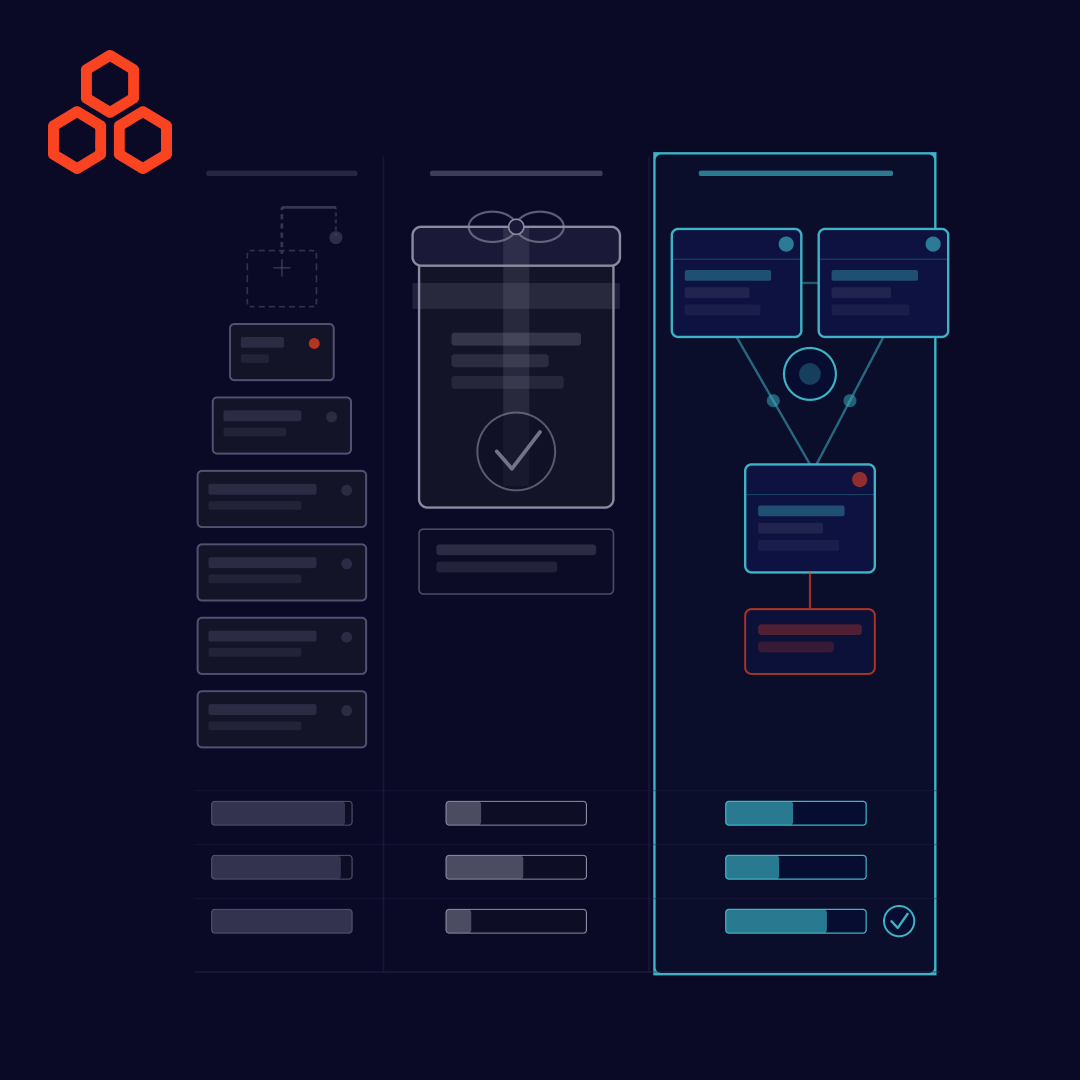
Not everything can happen at once. Rank initiatives based on business impact, urgency, and available resources.
Break the roadmap into phases short-term (0-6 months), mid-term (6-12 months), and long-term (12+ months) to keep progress manageable.
Every initiative on the roadmap needs a clear owner responsible for execution and tracking progress.
Business needs and technology both evolve quickly. A good roadmap allows room for adjustments without losing sight of the bigger picture.
A strong technology roadmap isn’t just an IT document it’s a business growth tool. When built and maintained correctly, it keeps technology investments purposeful, prevents wasted spend, and ensures the business is always ready for what’s next.
Suggested Reads
Trending Resources